AI and restoration of old photos: techniques and results
Discover how AI transforms your damaged old photos into flawless memories with advanced restoration and coloring techniques.
Introduction
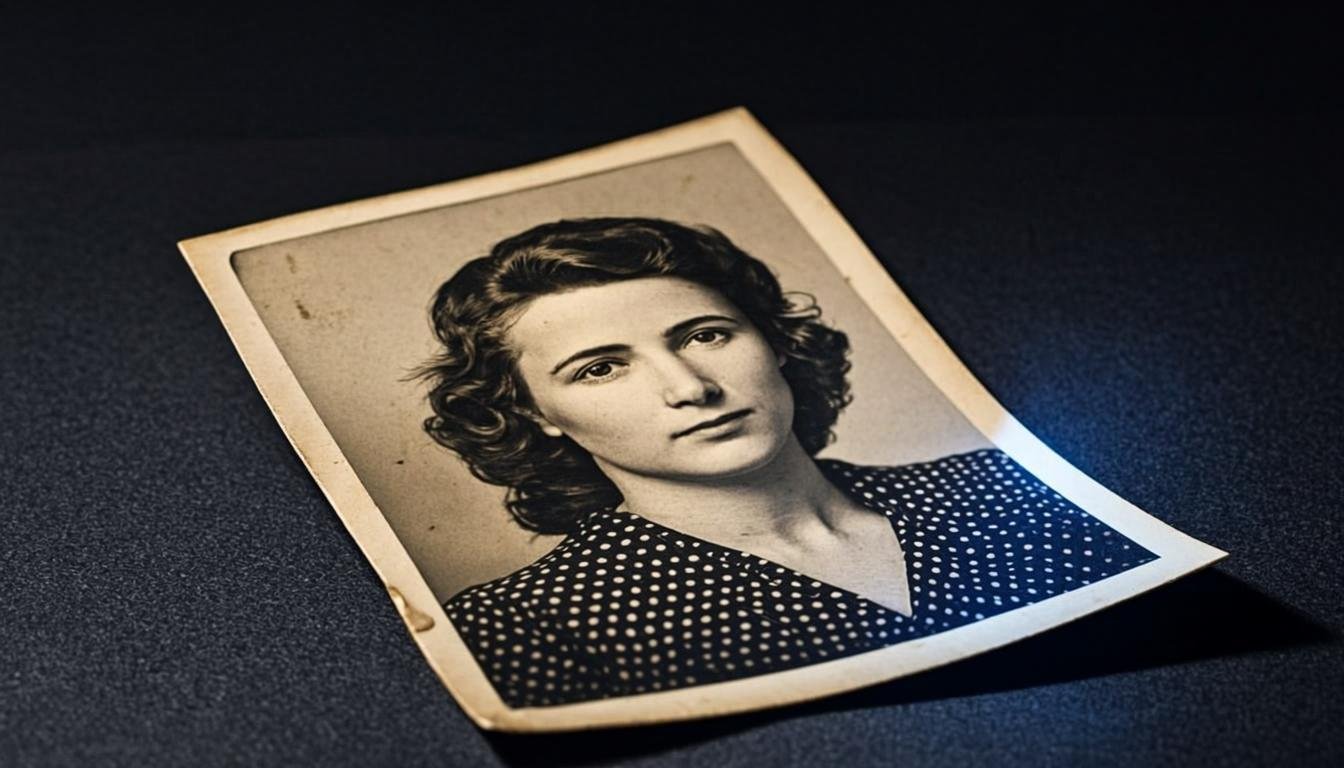
In the digital era where every moment is captured with near-perfect definition, old family photos sometimes seem to belong to another world. Blurry, damaged by time, faded, or even partially destroyed, these precious memories risk disappearing forever. Fortunately, the artificial intelligence revolution today offers unprecedented solutions to bring these past treasures back to life. This article explores AI photo restoration techniques, their spectacular results, and how you can benefit to preserve your visual heritage.
The challenges of traditional restoration
Before the advent of artificial intelligence, restoring old photos was a craft requiring advanced technical skills and meticulous work. Professionals had to spend hours manually retouching every pixel, a tedious task that made the service inaccessible to most families.
The main challenges included:
- Repairing tears and holes
- Removing stains and scratches
- Correcting damage caused by humidity
- Restoring faded colors
- Blurring old images
Each problem required a different approach, and even the most talented experts could not guarantee perfect results for the most damaged photos. Restoration was an expensive process that could take several days for a single image.
AI revolutionizes photo restoration
Artificial intelligence has radically transformed the field of photo restoration. Thanks to deep learning algorithms and the analysis of millions of images, AI can now in seconds what took human professionals hours.
Modern AI photo restoration systems work in several steps:
- Preliminary analysis: AI identifies the types of damage present on the photo
- Transfer learning: The system relies on models trained on thousands of similar examples
- Pixel generation: AI creates new pixels to fill in missing areas
- Optimization: The system refines the details for natural-looking results
These technologies not only allow for repairing visible damage but also improve the overall quality of the image, including sharpness and clarity.
AI restoration techniques
Damage detection and repair
One of the most impressive capabilities of AI is its ability to automatically detect different types of damage on old photos. Modern algorithms can identify:
- Tears and holes
- Scratches and creases
- Stains and mold
- Geometric distortions
- Areas of discoloration
Once the damage has been identified, AI uses content generation techniques to replace the missing pixels. Unlike traditional filling methods that simply duplicate surrounding pixels, AI understands the context of the image and generates pixels that integrate naturally.
Color Restoration
Fading is one of the most common problems on old photos. AI addresses this challenge in several ways:
- Spectral Analysis: Some systems can analyze the remaining nuances to reconstruct the original colors
- Comparison with References: AI relies on databases of similar photos to estimate the original colors
- Learning of the Historical Palette: Algorithms understand the color palettes used in different eras
The results are often spectacular, transforming faded black and white photos into vibrant colored images that look authentic.
Removal of Unwanted Elements
Sometimes, old photos contain modern elements that clash with the historical context. AI can remove these elements while intelligently filling in the spaces left behind.
This technique is particularly useful for:
- Removing people or objects that shouldn't be in the photo
- Removing modern elements from historical photos
- Correcting unwanted reflections on glass surfaces
AI Colorization: An Artistic Revolution
Colorizing black and white photos is one of the most popular applications of AI in photography. Unlike manual colorization which requires artistic expertise, AI can colorize photos in seconds with results that are often indistinguishable from reality.
How does AI colorization work?
Modern colorization systems use Generative Adversarial Networks (GANs) to produce realistic colors. Here is the process:
- Texture Analysis: AI identifies the different elements of the image
- Object Recognition: The system recognizes elements (faces, clothing, objects)
- Color Application: AI applies colors based on historical and contextual knowledge
- Detail Refinement: The nuances are adjusted for a natural rendering
The limitations of AI colorization
Despite its impressive capabilities, AI colorization has certain limitations:
- The colors are not historically accurate but based on probabilities
- Very fine details can be lost in the process
- Some specific artistic styles may not be well reproduced
However, these limitations are largely compensated for by the speed and accessibility of the technology.
The spectacular results of AI
Examples of AI photo restoration are often spectacular. Blurry and damaged photos can be transformed into sharp and flawless images in just a few seconds. Faded colors regain their original brilliance, and previously invisible details become visible.
Results vary depending on the quality of the source image and the AI system used, but in most cases, the improvement is significant. Some applications can even reconstruct missing parts of photos damaged by fire or water.
Practical Applications of AI Restoration
For Families
AI restoration of old photos offers families the opportunity to preserve their visual heritage at an affordable cost. Future generations will be able to enjoy photos of their ancestors in their original state, rather than versions degraded by time.
For Museums and Cultural Institutions
Cultural institutions can use AI to restore valuable photographic collections without the prohibitive cost of traditional methods. This allows for wider public access to these cultural treasures.
For Photography Professionals
Professional photographers can use AI to enhance their own work or to offer restoration services to their clients, thereby expanding their service offerings.
AI Restoration Tools and Platforms
Several platforms offer AI photo restoration services. Among the most popular is AllCombiner, which provides a comprehensive solution for restoring, merging, and enhancing photos. These platforms are designed to be accessible to non-technical users, with simple interfaces and professional results.
Typical features include:
- Automatic damage restoration
- Black and white photo colorization
- Sharpening and detail enhancement
- Removal of unwanted objects
- Color and contrast correction
The Future of AI Photo Restoration
The future of AI photo restoration is promising. Current research is focusing on several areas:
- Even more fine-tuned contextual understanding of images
- The ability to reconstruct extremely damaged photos
- Customization of restoration styles according to user preferences
- Integration of AI into consumer cameras
These advances will make photo restoration increasingly accessible and effective, allowing everyone to preserve their most precious memories.
Conclusion
Artificial intelligence has radically transformed the restoration of old photos, making accessible to all what was once reserved for experts. Advanced techniques for damage detection, color restoration, and colorization allow for bringing back to life memories that were once lost.
If you want to restore your own old photos, explore modern solutions like AllCombiner that offer professional results without the costs and delays of traditional methods. Discover today how technology can preserve your visual heritage for future generations. Check our Pricing to start your photo restoration project and bring your most precious memories back to life.
Related articles