Painting, photography and AI: the evolution of the image
Discover the evolution of the image from painting to photography to AI. How technology is redefining contemporary art.
Introduction
The image has always been at the heart of human expression, serving as a medium to transmit ideas, emotions, and experiences throughout the ages. From prehistoric cave paintings to AI-generated digital artworks, our way of capturing and creating images has radically evolved. This article explores this fascinating transformation, examining how painting paved the way for photography, which in turn laid the groundwork for the era of artificial intelligence in the artistic field.
The origins: painting as the first visual language
For millennia, humanity has used painting to document its existence and express its creativity. The earliest cave paintings date back approximately 40,000 years, bearing witness to a human need to represent the world. Over the centuries, painting evolved into a refined art form, with techniques and styles that evolved with cultures and eras.
The Renaissance marked a crucial turning point in the history of painting, with artists like Leonardo da Vinci and Michelangelo mastering perspective and anatomy to create works of striking realism. This quest for realism ultimately led to a fundamental question: how to capture the world with even greater precision, without the limitations of the human hand?
The birth of photography: a new visual paradigm
In the 19th century, the invention of photography revolutionized our way of perceiving and creating images. Early photographic processes, such as the daguerreotype, offered unparalleled visual precision, allowing moments to be captured with a fidelity impossible to achieve with traditional painting.
The evolution of photography has been meteoric: from black and white to color, from digital film to CMOS sensors, each innovation has expanded creative possibilities. Photography did not replace painting, but rather created a new visual language that coexisted and interacted with traditional art forms.
The democratization of photography with the advent of digital cameras and smartphones has transformed our relationship with the image. Today, anyone can become a visual creator, capturing and sharing millions of images every day.
The digital era: when photography meets digital
The transition from analog to digital photography represented another qualitative leap in the evolution of the image. Digital sensors, image processing software, and sharing platforms have opened up unprecedented creative possibilities.
Photographers can now manipulate their images with a precision and flexibility previously unimaginable. Techniques like HDR (High Dynamic Range), focus stacking, and advanced retouching enable the creation of images that transcend the limits of equipment.
It is in this digital context that artificial intelligence has begun to emerge as a creative tool, offering new ways of thinking about and creating images.
Artificial Intelligence: The New Frontier of the Image
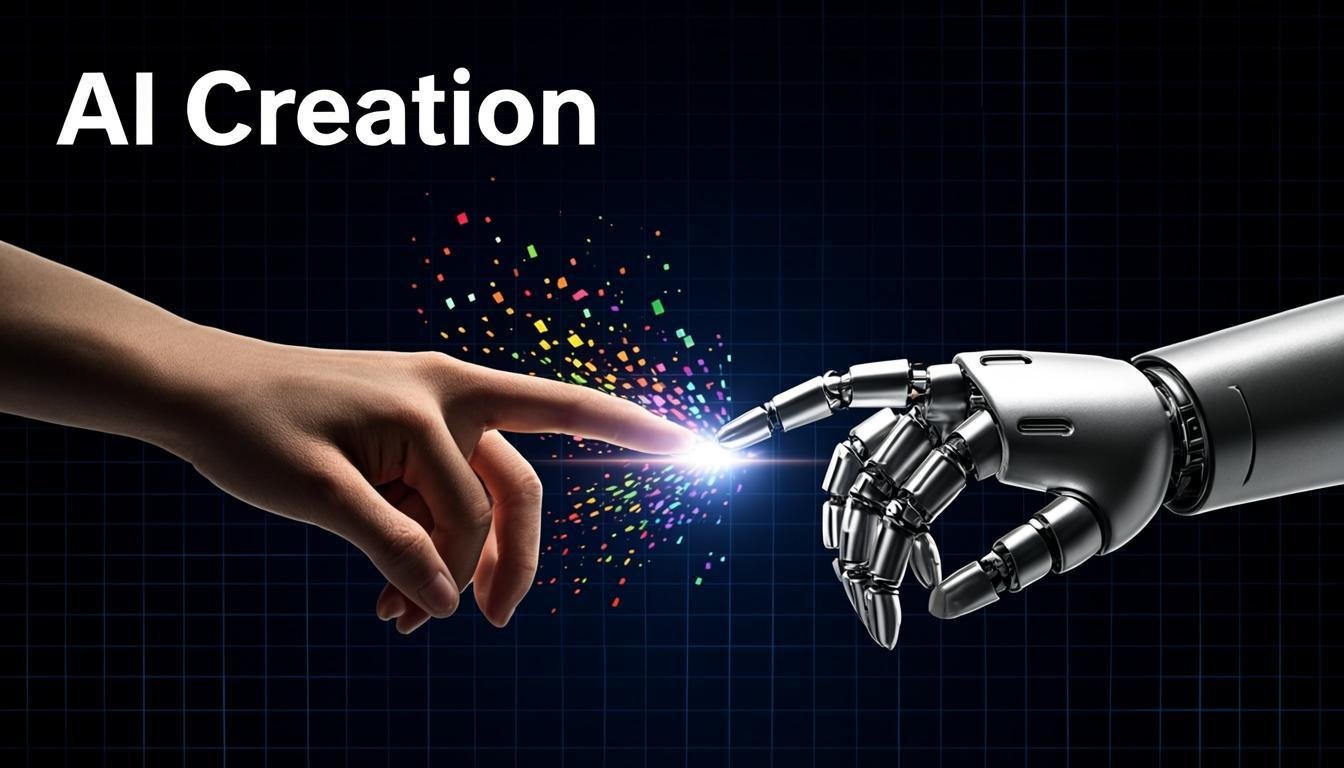
Artificial intelligence has radically transformed our way of creating and interacting with images. Deep learning algorithms can now generate photorealistic images from simple text descriptions, create unique works of art in various styles, or even modify existing images spectacularly.
Image generation models like DALL-E, MidJourney, and Stable Diffusion have opened up unprecedented creative possibilities. Artists can now collaborate with AI to create works that explore the boundaries between human and machine, between tradition and innovation.
AI art is not just a technology, but an emerging artistic movement that redefines our understanding of creativity itself. By using tools like AllCombiner, creators can merge different techniques and styles to create unique works that transcend traditional categories.
The Convergence of Worlds: Painting, Photography, and AI
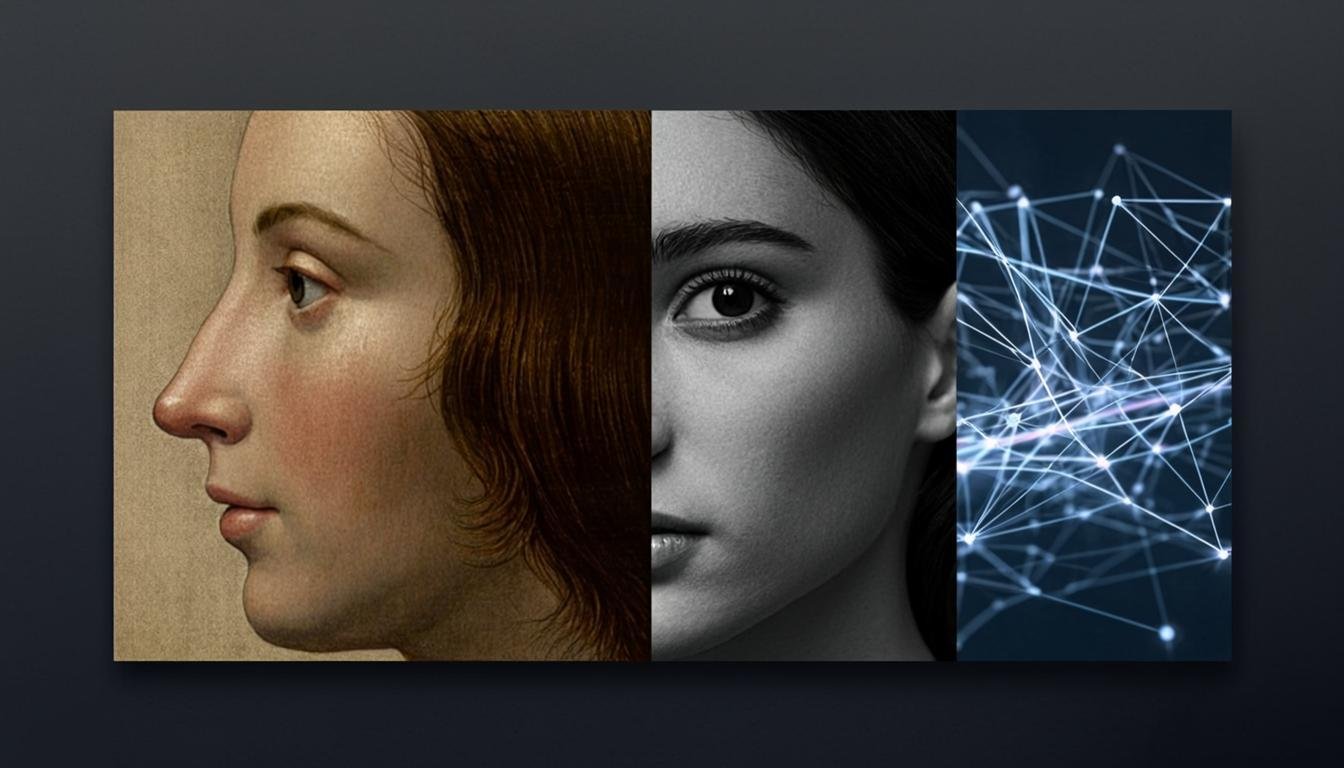
What makes the evolution of the image so fascinating is how these different forms of art do not replace each other but mutually enrich one another. Painting taught photography about composition and emotion. Photography inspired AI with its ability to capture reality. And AI now gives painting and photography new creative possibilities.
Contemporary artists often use a combination of these techniques. A painter can use photographs as a reference, a photographer can apply filters inspired by painting, and an AI artist can incorporate pictorial composition elements into their generative creations.
Challenges and Ethics of AI-Generated Images
The rise of AI-generated images raises important questions about authenticity, intellectual property, and the nature of art itself. When is an image truly "artistic"? Who is the artist—the human who writes the prompt or the algorithm that generates the image?
These questions invite broader reflection on creativity and the place of technology in art. Rather than seeing AI as a threat to traditional art, we can approach it as a new tool that extends our creative capabilities.
The Future of the Image: Toward Complete Hybridization
The evolution of the image is only just beginning. With the rapid advances in AI, we can anticipate an even deeper integration between different forms of art. The boundaries between painting, photography, and digital art will continue to blur, creating a hybrid and dynamic artistic landscape.
Technologies like augmented and virtual reality promise to transform our experience of images, making interaction with art even more immersive and personal. The artists of tomorrow will likely be hybrids, mastering both traditional techniques and the most advanced digital tools.
Conclusion
The evolution of the image from painting to photography and to AI testifies to our constant quest for new ways to express our creativity and perceive the world. Each step of this evolution has enriched our visual vocabulary, offering new possibilities to artists and the public.
In this constantly evolving landscape, tools like AllCombiner and Pricing give creators the means to explore these new frontiers, combining the best traditional techniques with the latest digital innovations. Whether you are a photographer, artist, or simply passionate about images, the future of digital art awaits you - it's time to embrace this new creative era and contribute to the ongoing evolution of the image.
Related articles