Real-Time AI Images: The Next Frontier
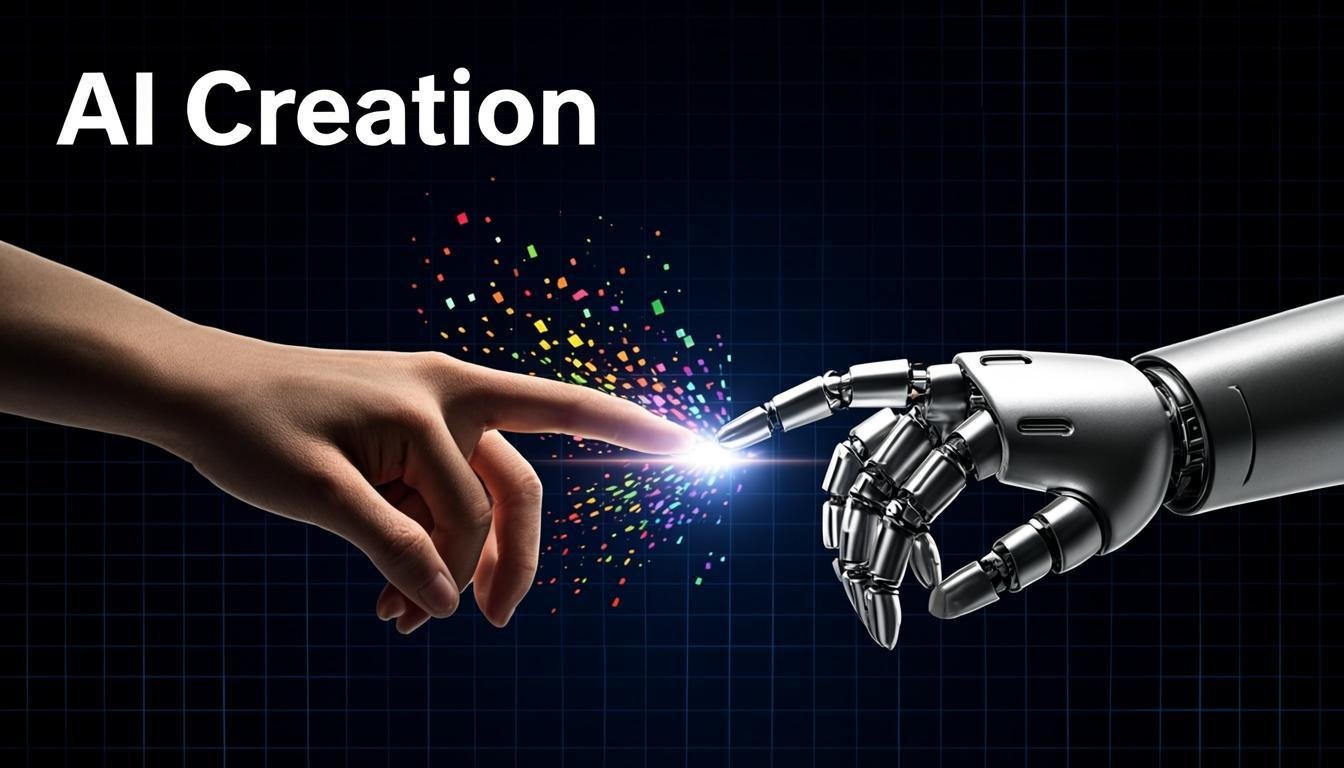
Real-time image generation by AI is the next technological frontier. Discover the challenges, advances, and applications of this revolutionary technology.
Introduction
Real-time image generation by AI represents the next major technological frontier. After years of development where generating a single image took minutes or even hours, we are now entering an era where AI can create visual content instantaneously. This article explores the challenges, advances, and applications of real-time AI image generation.
The Challenges of Real-Time Generation
Generating images in real time presents unique technical challenges. The AI must not only produce quality results but do so within strict latency constraints, typically less than 100 milliseconds for interactive applications.
Computational Power
Real-time generation requires massive computational power. The most advanced models use specialized GPUs and optimization techniques such as quantization and knowledge distillation to reduce inference time.
Quality vs. Speed Trade-off
There is an inherent trade-off between generation quality and speed. Faster models tend to produce lower-quality results, while high-quality models are slower. Finding the right balance is an active research area.
Recent Advances
Recent advances have dramatically improved real-time AI image generation capabilities.
Latent Consistency Models
Latent Consistency Models (LCMs) enable high-quality image generation in just 1-4 inference steps, compared to the 20-50 steps required by traditional diffusion models. This represents a 10x speed improvement.
Streamlined Architectures
New architectures like distillation-based models and neural network pruning techniques allow real-time generation without significant quality loss. These advances make real-time applications feasible on consumer hardware.
Applications of Real-Time AI Generation
Real-time AI image generation opens up numerous application possibilities.
Interactive Creative Tools
Artists and designers can interact with AI in real time, adjusting parameters and seeing results instantly. This transforms the creative process from a trial-and-error approach to an iterative, fluid workflow. Tools like AllCombiner are at the forefront of this transformation.
Live Content Generation
Live events, gaming, and social media can benefit from real-time AI generation. Live backgrounds, avatars, and visual effects can be generated and modified in real time based on user input.
Augmented and Virtual Reality
Real-time AI generation integrated with AR/VR creates immersive experiences where virtual environments are generated and adapted in real time based on user actions.
The Future of Real-Time AI
The future of real-time AI image generation is promising. As hardware improves and algorithms become more efficient, we can expect real-time generation quality to match or exceed current offline generation quality.
Democratization
Real-time AI generation will become accessible on mobile devices and web browsers, enabling new categories of creative applications. Pricing models will adapt to make this technology accessible to all.
Conclusion
Real-time AI image generation represents the next major frontier in creative technology. As the technology matures, it will fundamentally change how we create, interact with, and consume visual content. Platforms like AllCombiner are positioning themselves at the forefront of this revolution.
Related articles