Generative AI 2026: Technological Revolution
Discover the state of the art and perspectives of generative AI in 2026. Explore the future of this transformative technology.

Introduction
Generative AI has experienced a meteoric evolution in recent years, radically transforming our interaction with technology. As we approach 2026, it is essential to understand where this technology stands and what perspectives it offers us. This article explores the state of generative AI and its projections for the years to come, highlighting its impact on various sectors including photography.
State of Generative AI in 2026
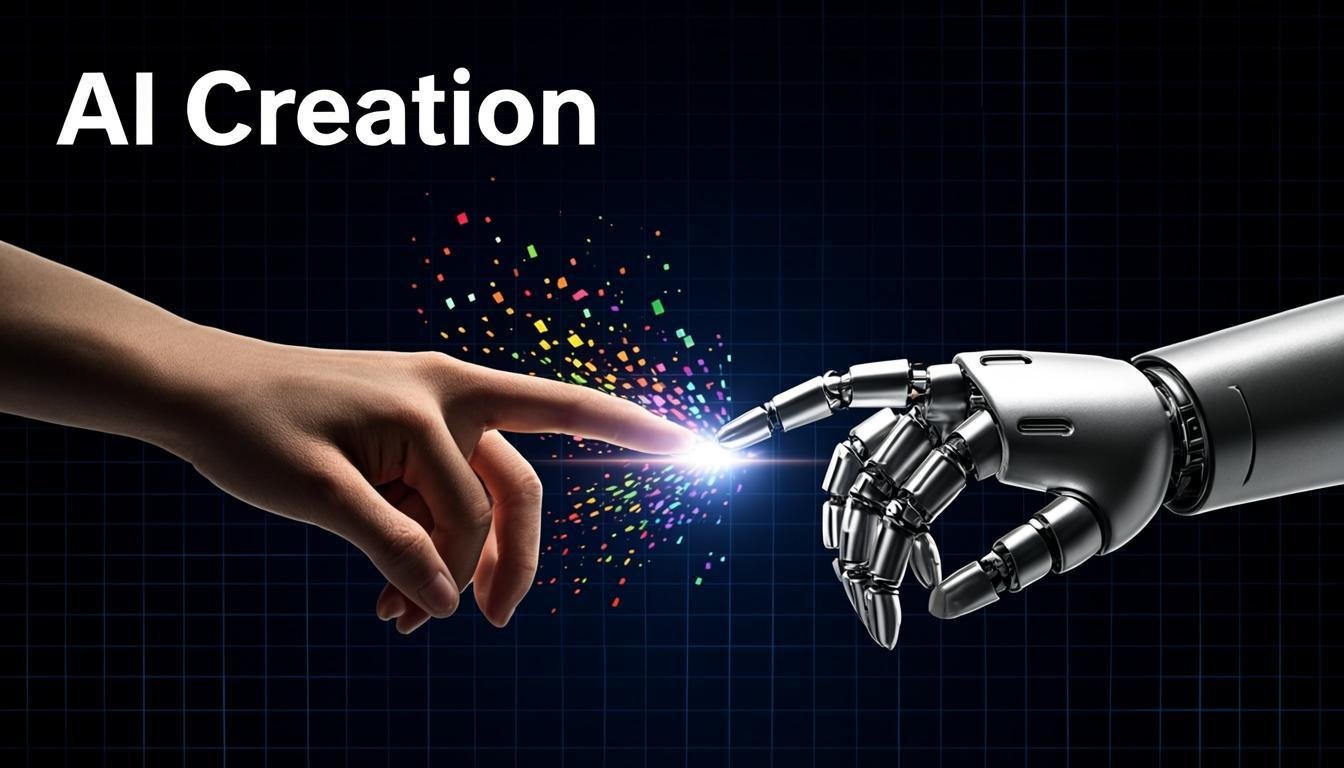
In 2026, generative AI has become ubiquitous in our digital daily lives. Content generation models have reached an unparalleled level of sophistication, capable of producing images, text, music, and even videos with quality approaching or equaling human work.
Technical Advances
The generative AI models of 2026 are characterized by their ability to understand complex contexts and generate narrative coherence. Training on massive datasets has enabled these advances, with more efficient and less energy-hungry neural architectures. The technique of "prompt engineering" has also been refined, enabling more intuitive interactions with AI.
Practical Applications
In the field of photography, generative AI has revolutionized image creation. Tools like AllCombiner now make it possible to merge photos with impressive quality and naturalness. Photographers can create complex compositions by combining multiple elements from different images, or even generate entire scenes from a simple text description.
Perspectives of Generative AI
The prospects for the future of generative AI are both exciting and concerning. On one hand, creative possibilities seem limitless. On the other, ethical and social questions are emerging.
Technological Evolution
By 2030, we can expect generative AI to become even more autonomous, capable of understanding complex creative intentions without detailed instructions. The integration of AI into cameras and image processing software will become transparent, allowing photographers to focus on their artistic vision rather than technical aspects.
Societal Impacts
Generative AI is profoundly transforming the labor market, particularly in creative fields. The distinction between human-generated and machine-generated content is becoming increasingly blurred, raising questions about the authenticity and value of human creation. However, it also opens up new possibilities for artists to collaborate with AI as a creative partner.
Generative AI in Photography
Photography is one of the fields most impacted by generative AI. In 2026, the boundaries between traditional photography and AI image generation have become porous.
New Tools and Techniques
Photography software now integrates generative AI features that allow image modification beyond simple traditional adjustments. Tools like Pricing offer affordable solutions for photographers wishing to explore these new technologies.
Ethics and Authenticity
The question of photographic authenticity arises acutely. How to distinguish a "real" photo from an image generated or modified by AI? New standards and certifications are emerging to address these challenges, allowing viewers to understand the origin of visual content.
Conclusion
Generative AI in 2026 represents a major turning point in the history of technology and creation. As we navigate between innovation and ethics, it is crucial to understand these technologies to use them responsibly. Whether you are a photographer, artist, or simply passionate about the digital future, generative AI offers unprecedented possibilities.
To explore how AI can transform your photographic practice, we invite you to discover the innovative solutions offered by AllCombiner and explore their offerings adapted to all levels of practice.
Related articles