AI Fusion vs Photomontage: Which Technique to Choose?
Discover the difference between AI fusion and traditional photomontage. Detailed comparison to choose between AI and Photoshop.
Introduction
The world of digital photography has undergone a revolution in recent years, particularly with the emergence of artificial intelligence applied to photo editing. Two main approaches stand out today for image blending: AI blending and traditional photomontage. This detailed comparison will help you understand the fundamental differences between these two techniques, their respective advantages, and their ideal applications. Whether you are a professional photographer, an enthusiast, or simply curious about the latest technological innovations, this article will shed light on how to choose between AI blending and traditional photomontage.
What is AI Blending?
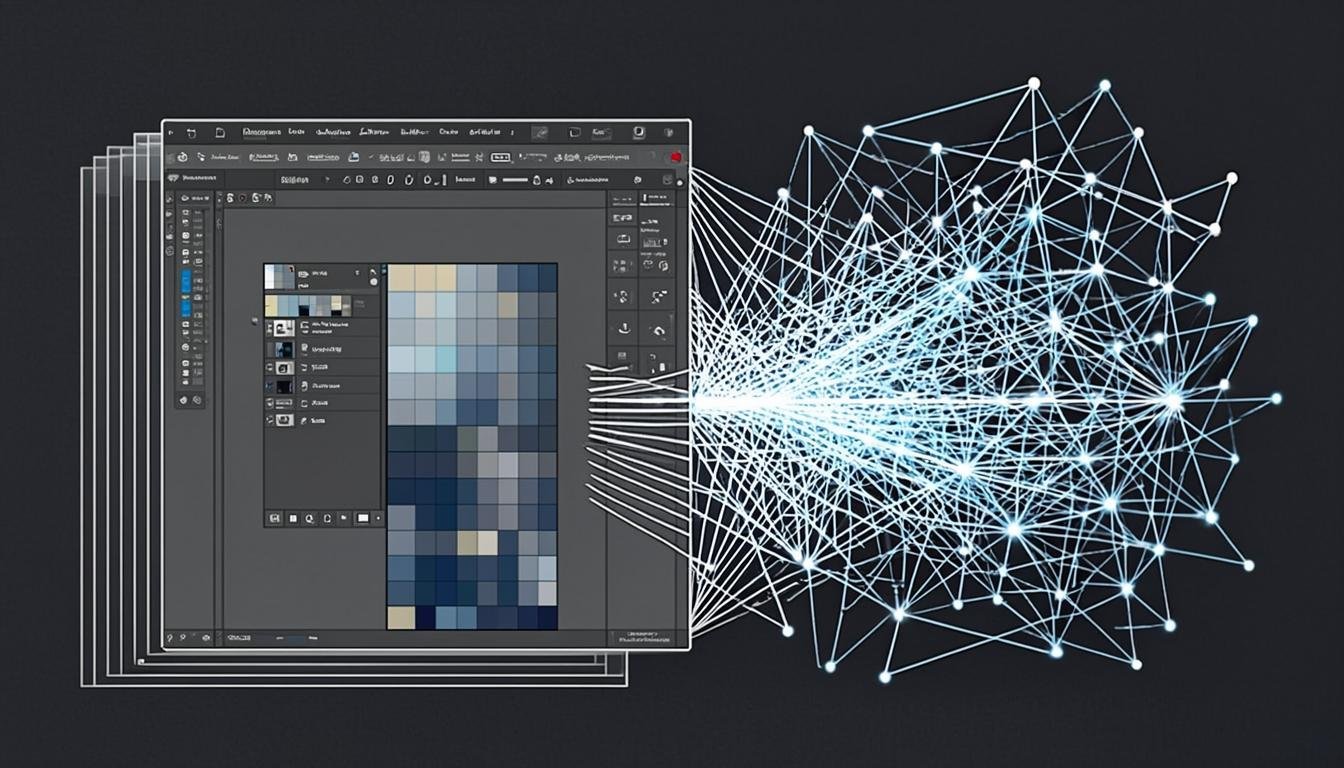
AI blending, or Artificial Intelligence blending, represents a major advancement in the field of photo editing. Unlike traditional methods that require significant manual intervention, AI blending uses machine learning algorithms to intelligently and automatically combine multiple images.
These AI systems are trained on millions of images to understand the relationships between visual elements, textures, lights, and shadows. Thanks to this understanding, they can blend images coherently, preserving the naturalness of the combined elements and perfectly adapting the colors, contrasts, and details.
AI blending excels particularly in cases where multiple shots are needed to capture all the desired details, as in HDR (High Dynamic Range) or portrait blending to achieve the perfect expression. Tools like AllCombiner use these technologies, offering impressive results with minimal manual intervention.
The Art of Traditional Photomontage
Traditional photomontage, often done with software like Photoshop, relies on the expertise and creativity of the photo retoucher. This method requires advanced technical skills in selection, masking, color calibration, and manual blending of elements.
Traditional photomontage offers total control over every pixel of the final image. The retoucher can decide precisely on every detail, every transition between the different parts of the image. This level of control is particularly appreciated in artistic creations where each element must be positioned with millimeter precision.
However, this method requires considerable time and in-depth expertise. A successful traditional photomontage can take several hours, or even several days of work, depending on the complexity of the image and the desired level of detail.
Technical Comparison: AI vs Photoshop
Processing Time
One of the most obvious advantages of AI fusion is its speed. While a traditional photomontage can take hours, an AI fusion can produce comparable results in seconds or minutes. This efficiency is particularly valuable for professionals who need to process a large number of images.
Quality of Results
The quality of the results largely depends on the tool and expertise used. AI fusion excels at natural fusions where elements need to be integrated subtly, such as in landscapes or portraits. However, for complex artistic creations requiring total control over each element, traditional photomontage is often superior.
Learning Curve
AI fusion is generally more accessible to beginners, as it does not require the in-depth technical skills required for traditional photomontage. Tools like Photoshop take months, or even years, of learning to master all their features.
Creative Flexibility
Traditional photomontage offers nearly unlimited creative flexibility. Artists can manipulate each element of the image very precisely, creating works that often go beyond the possibilities of current AI. AI fusion, while impressive, remains limited by the algorithms that underpin it.
Ideal Applications for Each Technique
When to Choose AI Fusion
AI fusion is particularly suitable for the following situations:
- HDR and high-dynamic-range landscapes
- Portrait fusion to capture the best expressions
- Batch processing of similar photos
- Quick photo retouching for social media
- Automatic image quality enhancement
When to Opt for Traditional Photomontage
Traditional photomontage remains the best choice for:
- Complex artistic creations
- Image manipulations requiring total control
- Compositions where each element must be positioned with precision
- Projects requiring a distinctive artistic signature
- Commercial work demanding absolute control over every detail
The Future of Image Fusion
The future of image fusion seems inseparable from the evolution of artificial intelligence. Algorithms are becoming increasingly sophisticated, allowing for more natural and creative fusions. However, traditional photomontage will likely continue to exist as an art form, valuing human skill and creativity.
The current trend is towards a hybridization of the two approaches: using AI for repetitive and tedious tasks, then applying manual work to add the final touch and artistic expression.
Conclusion
The choice between AI merging and traditional photomontage largely depends on your needs, your level of expertise, and the final result you want to achieve. AI merging offers speed and efficiency, ideal for bulk processing and natural merges. Traditional photomontage, on the other hand, provides total control and unparalleled creative flexibility.
To discover the power of modern AI merging, we invite you to try AllCombiner, a platform that combines ease of use with professional results. Also check our Pricing to find the option that best suits your needs. Whether you are a professional or amateur photographer, AI opens up new creative possibilities that are transforming our approach to photo editing.
Related articles