Fuse 3 to 5 images: Advanced multi-source compositions
Discover how to create unique compositions by merging 3 to 5 images with AI. Techniques and tools for professional results.
Introduction
In the constantly evolving universe of digital photography, image blending techniques represent a fascinating frontier between artistic creativity and technological power. The ability to combine 3 to 5 source images to create a unique final composition opens up nearly limitless creative possibilities. Whether you're a professional photographer, a digital artist, or simply passionate about image manipulation, mastering the art of multi-source blending can radically transform your visual approach.
This article explores in depth the techniques, tools, and strategies for creating advanced compositions by combining multiple images. We will see how artificial intelligence is revolutionizing this process, what the best available software is, and how to avoid common mistakes that can compromise the final result.
The Basics of Image Blending
Before diving into advanced techniques for blending 3 or 5 images, it's essential to understand the fundamentals of this process. Image blending consists of combining several photographs to create a single final image that incorporates the most relevant elements from each source.
Why blend multiple images?
Blending 3 to 5 images addresses several creative and technical needs:
- Dynamic Range (HDR): Capturing details in very bright and very dark areas
- Focus stacking: Obtaining a perfectly sharp image throughout the entire depth of field
- Creating panoramas: Assembling multiple views to achieve an extended field of vision
- Creative photography: Combining elements from different scenes to create unreal compositions
- Restoration: Combining multiple versions to eliminate unwanted elements
Different blending techniques
Several methods exist for blending images, each with its specific advantages:
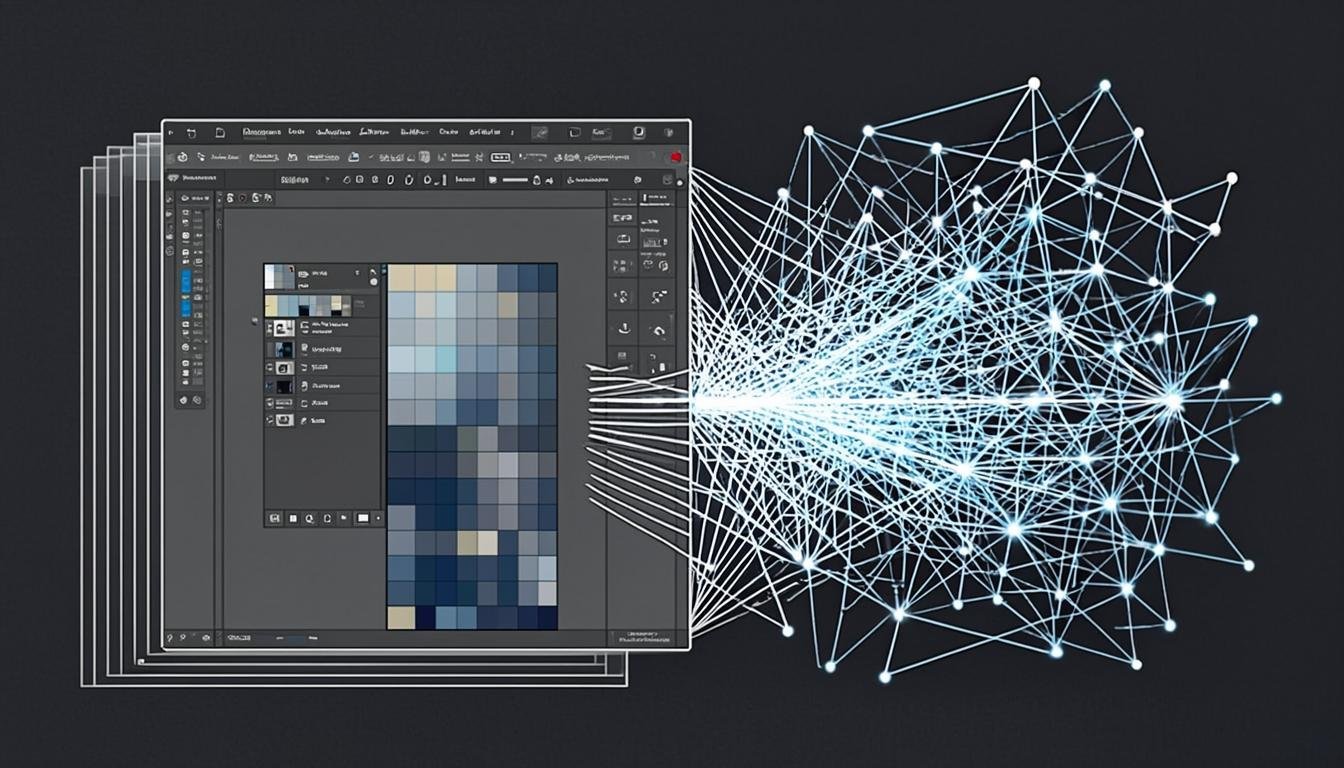
- Manual blending: Using layers and masks in software like Photoshop
- Automatic blending: Specialized algorithms that intelligently analyze and combine images
- AI blending: Using artificial intelligence for spectacular results
Blending 3 images: techniques and applications
Blending 3 images represents an excellent entry point into the world of multi-source compositions. This approach offers a balance of complexity and result, allowing for rich visuals without being excessively complicated to produce.
Creative applications of 3-image blending
- Landscape photography : Combine a detailed foreground, a middle ground, and a spectacular background
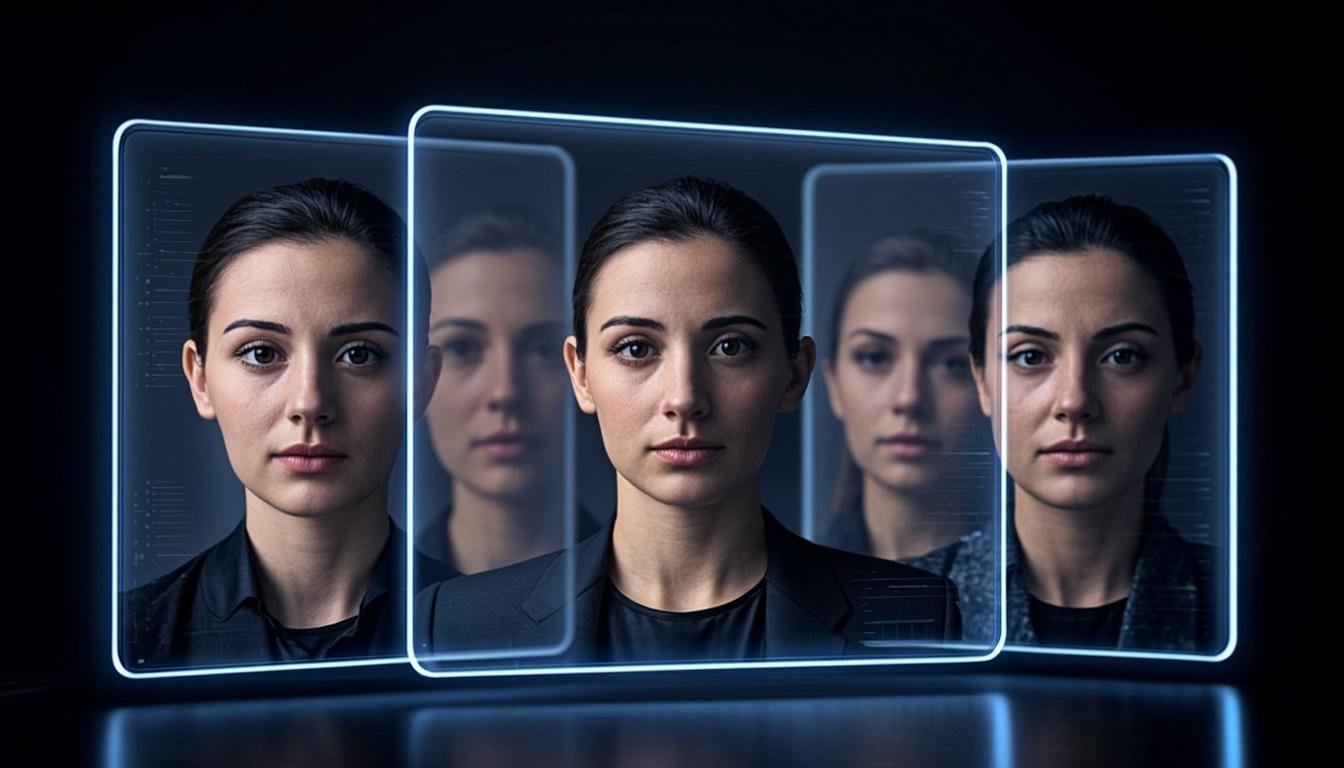
- Artistic portraits : Merge three different poses to create a unique composite image
- Urban photography : Capture three different moments of an urban scene to create a temporal composition
Key steps for successful 3-image fusion
- Planning : Determine which element from each image will be retained
- Shooting : Ensure consistency in lighting and perspective between sources
- Preparation : Clean and adjust the source images before fusion
- Fusion : Use appropriate tools to assemble the elements
- Finalization : Harmonize colors and details for a natural composition
5-image fusion: when complexity creates the exceptional
When moving to 5-image fusion, you enter a territory where technical complexity meets creative boldness. This approach allows for the creation of compositions impossible to achieve in a single shot, blending real and imaginary elements.
Advanced use cases for 5-image fusion
- Architectural photography : Combine multiple views to create non-Euclidean perspectives
- Nature photography : Assemble elements from different seasons or times of day
- Digital art : Create hybrids between different spaces and times
Specific challenges of 5-image fusion
- Consistency management : Maintaining visual logic between five distinct elements
- Technical complexity : The number of layers and masks can quickly become unmanageable
- Risk of artifacts : The more source images, the more visible the inconsistencies become
AI revolutionizes multi-source fusion
Artificial intelligence has radically transformed the approach to image fusion. Modern algorithms can analyze, understand, and combine source images in a much more intelligent way than traditional methods.
Advantages of AI for image fusion
- Automatic analysis : AI identifies relevant elements in each source image
- Intelligent harmonization : Colors, lights, and shadows are adjusted consistently
- Mask optimization : Algorithms create natural transitions between elements
- Artifact reduction : AI can correct inconsistencies that would be visible to the naked eye
Current limitations of AI
Despite its spectacular advances, AI still has certain limitations:
- Difficulties with very complex compositions
- Issues with consistency in movements or expressions
- Dependence on the quality of source images
- Sometimes requires manual adjustment for perfect results
Tools and software for merging 3 to 5 images
The market today offers a variety of tools suited to different skill levels and needs. Here is a selection of the best solutions for multi-source image blending.
Professional Solutions
- Adobe Photoshop: The industry standard with advanced blending tools
- Affinity Photo: A more affordable alternative with similar features
- Luminar Neo: Integrates AI features for assisted blending
Specialized in AI Blending
- AllCombiner: A platform dedicated to image blending with an intuitive interface and spectacular results. Discover more features on AllCombiner.
- DxO PhotoLab: Excellent for HDR and sharpness blending
- Topaz Photo AI: Uses AI to intelligently enhance and blend images
Mobile Applications
- Snapseed: Blending features accessible from your smartphone
- PicsArt: Creative composition tools with AI
- Adobe Lightroom Mobile: Basic editing and blending on mobile
Practical Steps for Successful Multi-Source Blending
Whether you choose to blend 3 or 5 images, following a rigorous methodology is essential for achieving professional results. Here is a step-by-step guide.
Phase 1: Preparing the Source Images
- Select the images: Choose complementary photos with distinct elements
- Basic adjustments: Correct exposure, white balance, and composition
- Cleaning: Remove unwanted elements that could disrupt the blend
- Standardization: Ensure color and brightness consistency
Phase 2: The Blending Process
- Import into the chosen tool: For example, AllCombiner for AI-assisted blending
- Element selection: Identify the parts to keep from each image
- Mask creation: Define the transition zones between elements
- Transition adjustments: Ensure natural junctions
Phase 3: Finalization and Retouching
- Global harmonization: Adjust colors, contrasts, and details
- Defect correction: Eliminate artifacts and inconsistencies
- Technical optimization: Prepare the image for its final use (web, print, etc.)
Common Mistakes to Avoid
Even with the best tools, certain errors can compromise your multi-source blend. Here are the most frequent pitfalls and how to avoid them.
Consistency Issues
- Inconsistent lighting: Ensure that the directions and intensities of light sources are consistent
- Divergent perspective: Make sure that vanishing points and perspectives match
- Disproportionate scale: Verify that the relative sizes of elements are logical
Technical Artifacts
- Artificial Edges: Use mask refinement tools for natural transitions
- Digital Noise: Apply consistent denoising throughout the composition
- Over-compression: Work in high resolution and compress only at the end
Aesthetic Issues
- Unbalanced Composition: Apply traditional composition rules
- Dissonant Colors: Use color harmony tools
- Visual Overload: Know when to stop to not overwhelm the image
Future Trends in Multi-source Fusion
The field of image fusion is evolving rapidly, with technological advances constantly redefining creative possibilities. Here are some trends to watch.
Generative AI and Fusion
The integration of generative AI models opens up fascinating possibilities:
- Intelligent creation of missing elements
- Automatic harmonization of different styles
- Generation of seamless transitions between spaces
Augmented Reality and Real-time Fusion
Augmented reality technologies enable dynamic fusions:
- Real-time composition for immersive experiences
- Fusion of images with 3D elements
- Interactive applications for creative photography
Increasing Automation
The future of image fusion is moving towards intelligent automation:
- Automatic detection of elements to fuse
- Creative suggestions based on image analysis
- Optimized workflow for professional results without technical expertise
Conclusion
Mastering the art of fusing 3 to 5 images represents a major qualitative leap in your photographic practice. Whether to create unreal landscapes, surreal portraits, or impossible architectural compositions, multi-source techniques offer a vast field of expression.
The integration of artificial intelligence into this process has democratized possibilities that were reserved for experts just a few years ago. Platforms like AllCombiner now make professional results accessible with a reduced learning curve.
Whether you are a photographer looking to expand your creative palette or an artist exploring new media, multi-source image fusion deserves a place in your technical arsenal. The limits are no longer technological but solely those of your imagination.
Ready to experiment with fusing 3 to 5 images? Explore the possibilities offered by AllCombiner and discover how AI can transform your creative approach. Visit our Pricing page to choose the plan that suits your needs and start creating unique compositions today.
Related articles