35mm vs 50mm vs 85mm: The Best Portrait Lens
Complete guide to choosing between 35mm, 50mm and 85mm for portraits. Discover which one suits your style and needs.
Introduction
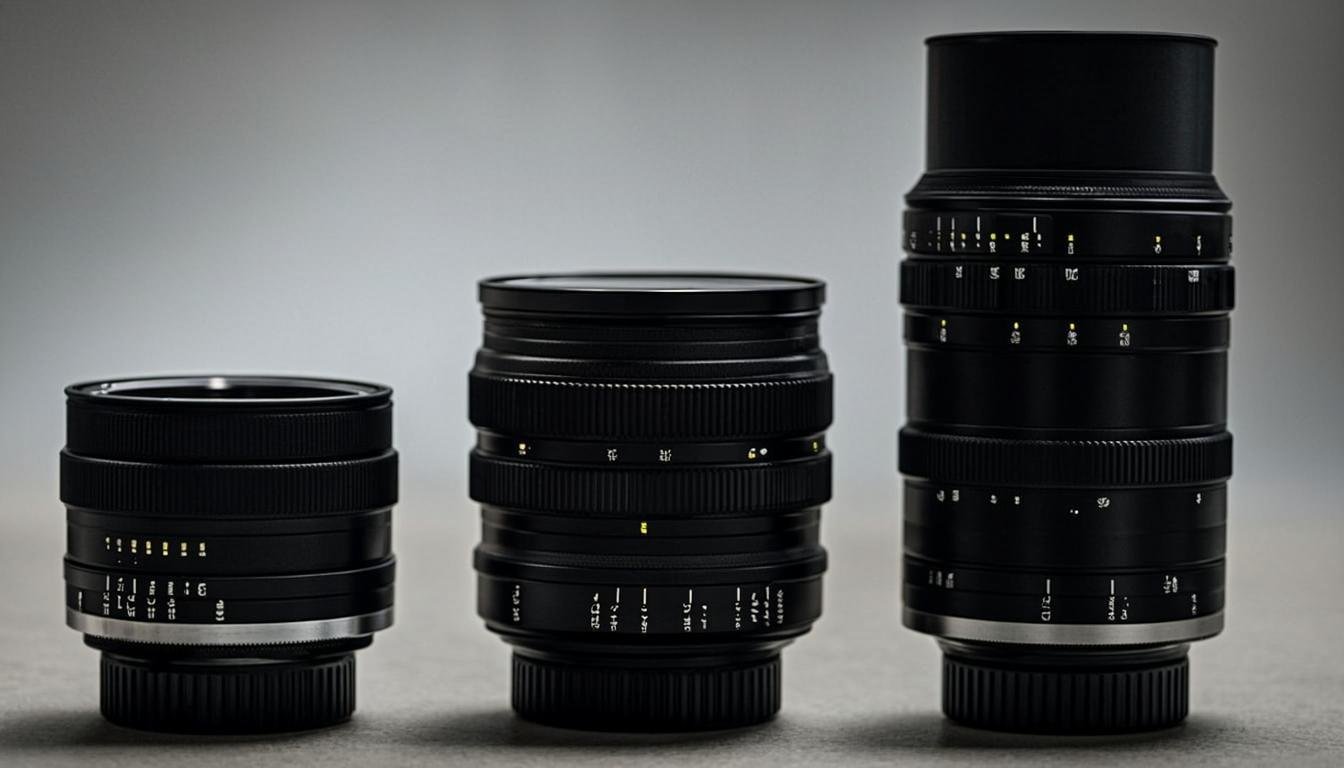
Choosing a lens is one of the most important decisions for a portrait photographer. Among the many lenses available, three focal lengths are particularly popular for portraits: 35mm, 50mm, and 85mm. Each offers unique characteristics that can completely transform your images. In this article, we'll compare these three focal lengths to help you make the best choice according to your photographic style and creative needs. We'll cover the pros and cons of each lens, their impact on perspective, depth of field, and bokeh quality, essential elements in portrait photography.
The 35mm: Versatility Incarnate
The 35mm is often considered a standard wide-angle focal length. It offers a wide field of view that captures more of the environment around the subject. This characteristic makes it an excellent choice for environmental portraits where you want to integrate the subject into their context.
Advantages of 35mm for Portraits
-
Context and Environment: The 35mm allows you to capture both the subject and their environment, ideal for telling a more complete story.
-
Versatility: This focal length is perfect for a variety of situations, from studio portraits to street photography.
-
Brightness: 35mm lenses are often available with wide apertures (f/1.4 to f/1.8), which is excellent for creating soft bokeh.
Disadvantages of 35mm
-
Distortion: As a wide-angle, the 35mm can cause slight distortion, especially if the subject is near the edges of the frame.
-
Facial Distortion: For very tight portraits, this focal length can slightly distort facial features if you're too close.
When to Use a 35mm?
The 35mm excels in portraits that require showing the interaction between the subject and their environment. It's ideal for group portraits, street photography, and situations where you want to capture the overall atmosphere. If you're looking for a versatile focal length that can adapt to multiple situations without needing to change lenses, the 35mm is an excellent choice.
The 50mm: The Timeless Classic
The 50mm is often considered the focal length closest to human perception. It offers a natural field of view that doesn't distort subjects while allowing for pleasing compression. It's the lens of choice for many professional photographers for its exceptional performance and versatility.
Advantages of 50mm for Portraits
-
Natural Perspective: The 50mm replicates how the human eye perceives the world, avoiding distortions.
-
Pleasant Compression: This focal length offers subtle compression that slightly flattens the face, ideal for flattering portraits.
-
Image Quality: 50mm lenses, especially wide-aperture models, offer excellent image quality with vibrant colors and high contrast.
Disadvantages of 50mm
-
Less Atmosphere: Compared to the 35mm, the 50mm captures less of the environment, which can be a disadvantage if you want to show context.
-
Working Distance: For tight portraits, you'll need to be closer to the subject than with an 85mm, which can be intimidating for some models.
When to Use a 50mm?
The 50mm is the lens of choice for classic portraits, family photos, and studio portrait sessions. Its versatility makes it an excellent lens for starting in portrait photography. If you could only choose one lens for your portraits, the 50mm would likely be the safest and most versatile choice. Additionally, with the many tools available today like AllCombiner, you can easily combine multiple images taken with a 50mm to create even richer compositions.
The 85mm: The King of Portraits
The 85mm lens is often considered the ultimate focal length for portraits. Offering a narrower field of view than the 50mm, it allows for perfect subject isolation from the background while creating beautiful bokeh. It's the preferred choice of many fashion photographers and professional portraitists.
Advantages of 85mm for Portraits
-
Perfect Isolation: The 85mm allows you to isolate the subject from their background, creating images with reduced depth of field.
-
Beautiful Bokeh: Thanks to its longer focal length, the 85mm produces exceptionally soft and aesthetic bokeh.
-
Flattering Compression: This focal length pleasantly flattens facial features, creating flattering and professional portraits.
-
Comfortable Working Distance: You can maintain a respectful distance from the subject while still getting a tight composition.
Disadvantages of 85mm
-
Bulk: 85mm lenses are often larger and heavier than 35mm and 50mm lenses.
-
Less Versatile: This focal length is less suited for environmental portraits or group photos where you want to capture more of the environment.
-
Price: High-quality 85mm lenses are often more expensive than their 35mm and 50mm counterparts.
When to Use an 85mm?
The 85mm is ideal for tight portraits, fashion photography, weddings, and any situation where you want to isolate the subject and create a dramatic effect. It's the lens of choice for portraits where bokeh quality and facial compression are paramount. If you're a professional photographer looking to offer high-end portraits to your clients, investing in a good 85mm lens will be well worth it. Additionally, with the Pricing options available, you can easily integrate these images into premium packages for your clients.
Technical Comparison: Depth of Field and Bokeh
Depth of Field
Depth of field is a fundamental concept in portrait photography. It determines the area of the image that appears sharp.
- 35mm: Offers greater depth of field, which can be advantageous for keeping both the subject and part of the background in focus.
- 50mm: Balances depth of field and isolation, allowing for subtle background blur while keeping a good portion of the subject sharp.
- 85mm: Produces a shallower depth of field, ideal for completely isolating the subject and creating an artistic blur effect.
Bokeh
Bokeh refers to the quality of the blur in the out-of-focus areas of an image. Good bokeh is essential for professional portraits.
- 35mm: The bokeh is present but less pronounced than with longer focal lengths. Ideal for environmental portraits.
- 50mm: Offers excellent circular and soft bokeh, considered standard for portraits.
- 85mm: Produces exceptionally soft and aesthetic bokeh, often described as creamy and professional.
Factors to Consider in Your Choice
Photographic Style
Your personal style is the most important factor in choosing your lens. If you prefer environmental portraits that tell a story, the 35mm might be your best choice. For classic and versatile portraits, opt for the 50mm. If you specialize in tight portraits with beautiful bokeh, the 85mm will be your ally.
Budget
35mm lenses are generally the most affordable, followed by 50mm, then 85mm. If you're starting in portrait photography, a good 50mm f/1.8 lens offers excellent value for money. If you have a larger budget, an 85mm f/1.4 can be an investment that will transform your portrait work.
Subject Type
The type of subject you photograph can also influence your choice. For children or pets, the 85mm allows for a comfortable working distance. For group portraits, the 35mm or 50mm will be more suitable for capturing everyone.
Lighting Conditions
Wide-aperture lenses (f/1.4, f/1.8) are excellent for portraits in low light. If you often shoot in challenging lighting conditions, a bright lens will be essential. All three types of lenses (35mm, 50mm, 85mm) are available with wide apertures, though performance can vary by model.
Conclusion
The choice between a 35mm, 50mm, and 85mm for portrait photography will depend on many factors: your personal style, your budget, the type of subject, and shooting conditions. Each focal length offers unique advantages that can enrich your creative work.
The 35mm excels in environmental portraits and versatility, the 50mm offers a perfect balance between natural perspective and compression, while the 85mm is undeniably the king of portraits with its perfect isolation and beautiful bokeh.
The best approach might be to start with a versatile 50mm lens, then gradually add a 35mm for versatility and an 85mm for tight portraits. With these three focal lengths in your arsenal, you'll be ready to handle any portrait situation.
Whether you choose the 35mm, 50mm, or 85mm, the quality of your work will depend on your mastery of the lens and your ability to use it to express your vision. And once your portraits are taken, tools like AllCombiner can help you perfect your images for even more spectacular results.
If you're ready to explore these different focal lengths and improve your portrait work, we invite you to discover the options available on our site. With Pricing options suitable for all levels, you'll certainly find the perfect tool to elevate your portraits.
Related articles