Black and white portrait: Capturing the emotional essence
Discover the techniques and secrets of black and white portraiture to enhance emotion and contrast in your monochrome photographs.
Introduction
The black and white portrait traverses the ages with timeless elegance. Deprived of the distraction of color, this form of photographic expression forces us to look beyond the surface to grasp the very essence of the subject. In this article, we will explore the techniques and emotions that make the monochrome portrait such a powerful and timeless form of art.
The Essence of the Black and White Portrait
The black and white portrait transcends simple photography to become a form of visual art that captures the soul of the subject. In the absence of color, the photographer must focus on other fundamental elements: light, shadow, texture, and pure emotion.
This photographic approach was popularized by legends like Ansel Adams, Henri Cartier-Bresson, and Richard Avedon, who all understood that monochrome could reveal layers of emotion and character that color might sometimes mask.
The Fundamental Techniques of the B&W Portrait
Mastering Light
Light is the most crucial element in monochrome photography. Unlike color, where warm and cool tones create subtle contrasts, black and white plays exclusively with brightness.
- Soft light: Creates smooth transitions between shadows and highlights, ideal for a flattering and introspective portrait.
- Hard light: Produces sharp shadows and strong contrast, perfect for dramatic and expressive portraits.
Contrast as a Narrative Tool
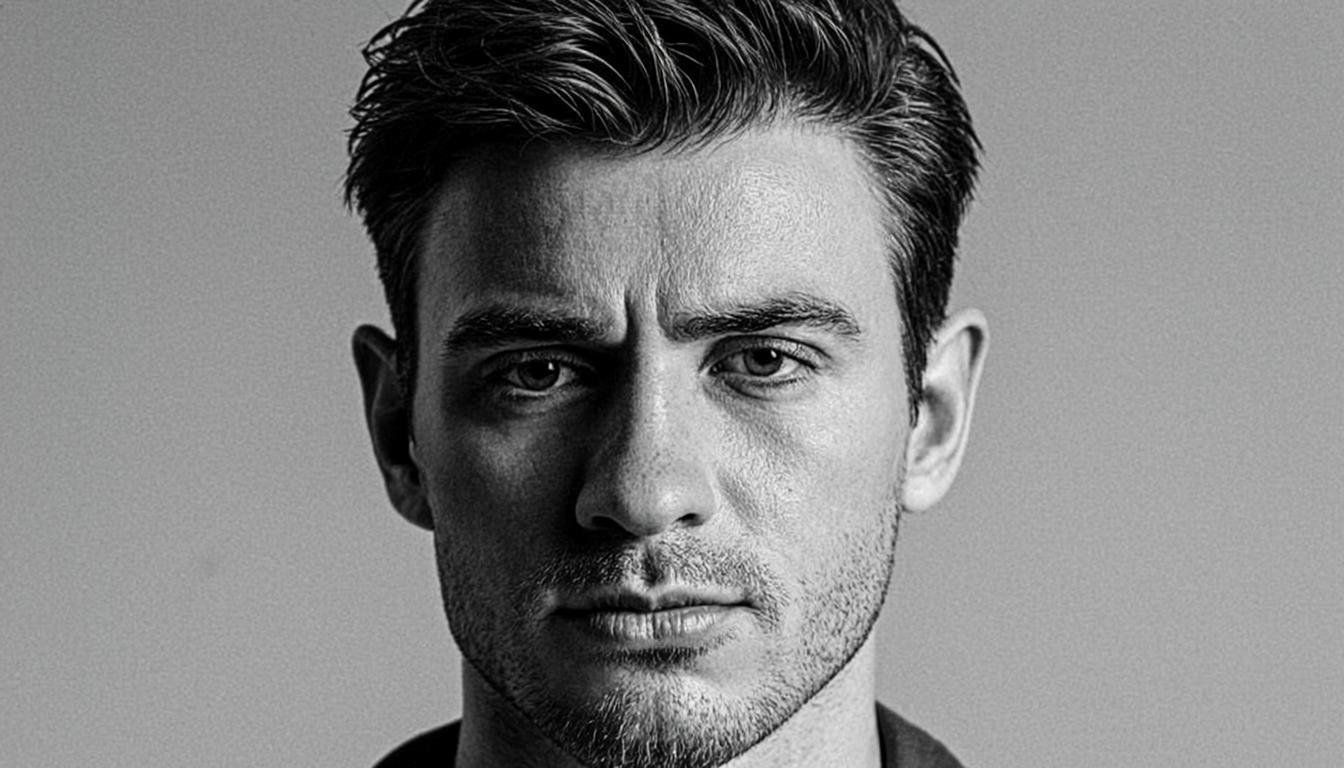
Contrast is the beating heart of the black and white portrait. By playing with light tones and dark areas, you can guide the viewer's eye and emphasize the character traits of your subject.
Strong contrast can evoke strength, determination, or even threat, while soft contrast suggests gentleness, melancholy, or tranquility. The art of the B&W portrait lies in this ability to use contrast not just as a technique, but as a visual language.
Composition and Lines
In the absence of color, composition becomes even more crucial. Lines, shapes, and negative space take on a new importance.
- Vertical lines can evoke strength and dignity
- Horizontal lines suggest peace and stability
- Diagonal lines create dynamism and tension
Emotion in the Monochrome Portrait
Capturing Authenticity
Black and white has a curious ability to reveal the authenticity of emotions. Without the distraction of color, facial expressions, gazes, and micro-gestures become the center of attention.
A successful black and white portrait doesn't just show a face—it tells a story, capturing a moment of raw truth that transcends time.
The Timelessness of Emotion
Black and white portraits possess a timeless quality that makes them universal. A black and white photo taken today can evoke the same emotions as a 19th-century daguerreotype.
This timelessness creates a direct link between the viewer and the subject, almost abolishing the temporal and spatial distance. This is why the black and white portrait remains so powerful in our world saturated with vibrant colors.
Post-production tools and techniques
Converting to black and white
Converting a color photo to black and white is much more than a simple click. Software like Adobe Lightroom or Photoshop offers precise controls to adjust the brightness of the original different colors, allowing for the creation of customized black and white tones.
For example, you can darken the sky while brightening the faces by manipulating the blue and orange tone curves of the original image. This technique allows for complete control over the final appearance of your monochrome portrait.
Adjusting the contrast
After conversion, adjusting the contrast is the most important step. Too much contrast can lose detail in the shadows and highlights, while too little contrast can make the image flat and lifeless.
The technique of "shadow clipping" (slightly darkening the darkest areas) and "highlight clipping" (slightly brightening the brightest areas) can help create dynamic contrast while preserving details.
Toning to add depth
Toning involves adding slight color tints to a black and white image. A cool blue in the shadows and a warm sepia in the highlights can add an extra emotional dimension to your portrait.
This technique, popularized by classic photographers, allows you to guide the viewer's emotion while maintaining the elegance of monochrome.
Practical tips for successful black and white portraits
Start with a good color photo
Even if you plan to convert to black and white, always start with a perfectly exposed color image. A properly exposed color image offers more flexibility during the conversion to black and white.
Use your camera's monochrome mode
Most modern cameras offer a monochrome mode that allows you to preview directly in black and white. This feature is invaluable for learning to "see" in black and white and for composing your images with consideration for luminance values rather than colors.
Practice simplified composition
In the absence of color, composition becomes even more crucial. Practice simplified composition by focusing on shapes, lines, and contrasts. Use framing to guide the viewer's eye to the most important elements of your portrait.
Experiment with different types of light
Each type of light produces different results in black and white. Experiment with natural, artificial, soft, and hard light to discover how each type affects the appearance and emotion of your portraits.
Black and White Portraits in the Digital Age
The Advantages of Digital Photography
The digital age has opened up new possibilities for black and white photography. With high-sensitivity sensors, we can capture images in low-light conditions with minimal grain, allowing for sharper, more detailed black and white portraits.
Post-production software offers unprecedented control over the final look of our images, enabling us to create black and white effects that were impossible to achieve in the darkroom.
The Challenges of Abundance
Paradoxically, the ease of creating black and white photos today also presents challenges. With Instagram filters and editing apps that produce black and white effects with a single click, it becomes difficult to stand out through technical and artistic quality.
The solution lies in a return to the fundamentals: solid technical mastery and a personal artistic vision that transcends easy effects.
Conclusion
The black and white portrait is much more than a simple photographic technique—it is a powerful visual language that allows you to capture the emotional essence of your subjects. By mastering light, contrast, and composition, you can create monochromatic portraits that transcend time and touch the soul of the viewer.
Whether you are a beginner or experienced photographer, exploring black and white portraiture will enrich your photographic practice and help you develop a deeper, more personal vision.
To further your black and white portrait practice, explore the image blending tools available at AllCombiner and discover pricing options suited to your needs at Pricing.
Related articles