Posing for a Natural Portrait: A Guide for Models and Photographers
Complete guide for posing naturally in photos: tips for models and photographers for authentic and impactful portraits.
Introduction
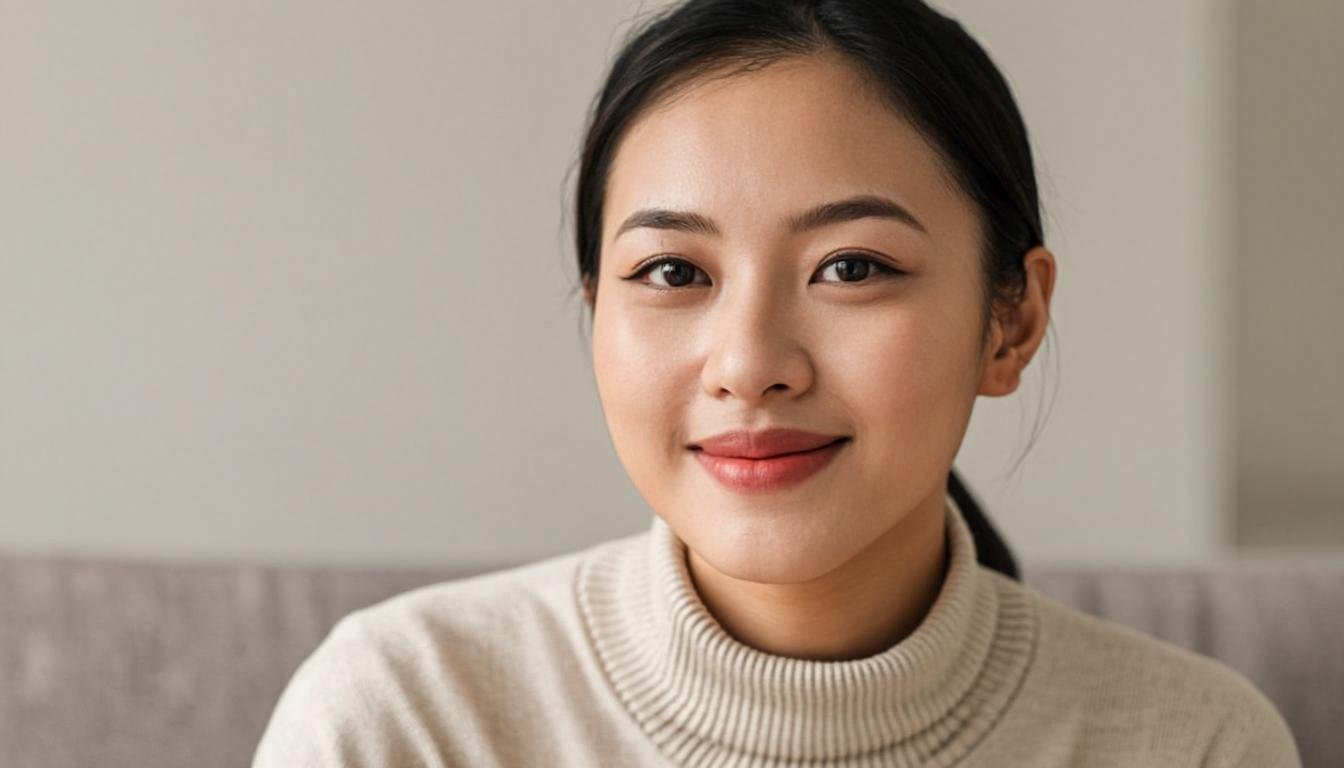
In the world of photography, the portrait holds a special place. It captures the essence of a person, their emotions, and their personality. However, achieving a natural and authentic portrait can be challenging, both for the model and the photographer. This comprehensive guide will provide you with the strategies and techniques needed to create portraits that tell a story while maintaining a spontaneous and natural appearance.
Understanding the Importance of Natural Poses
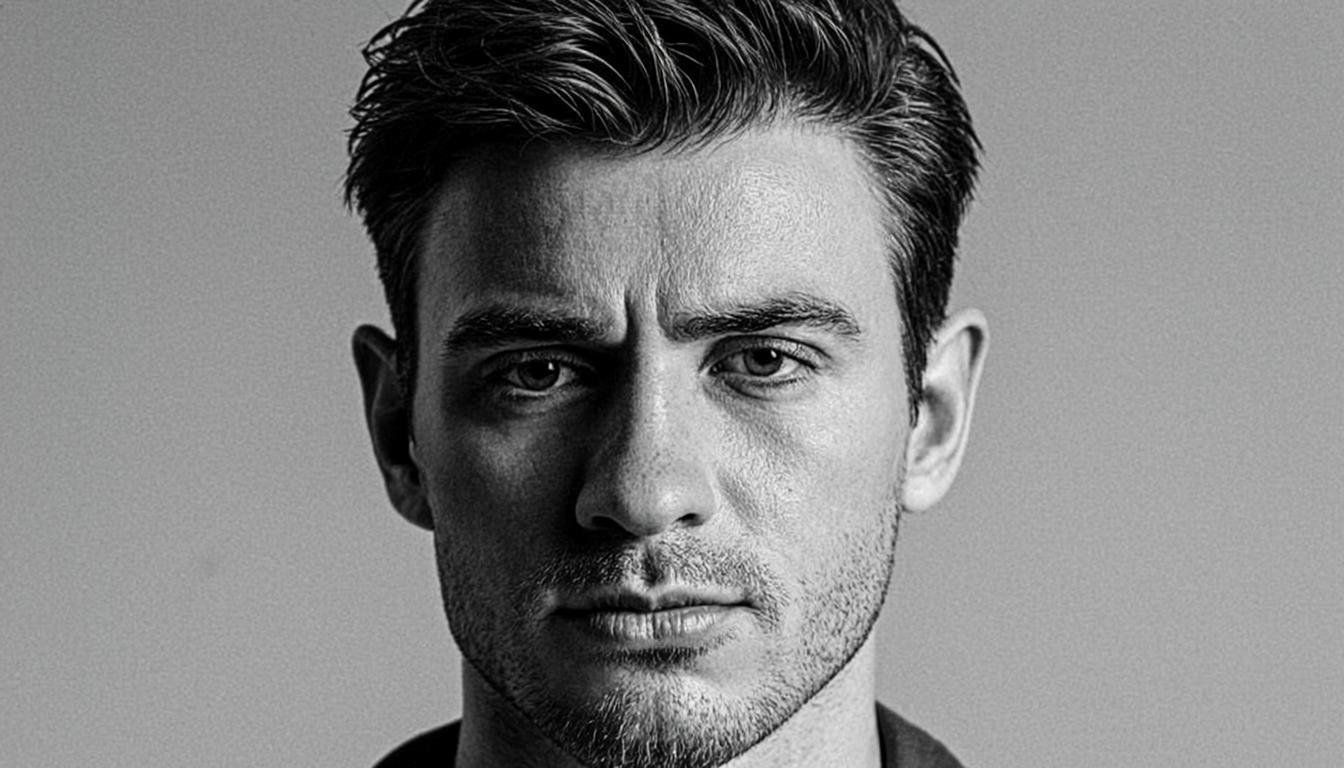
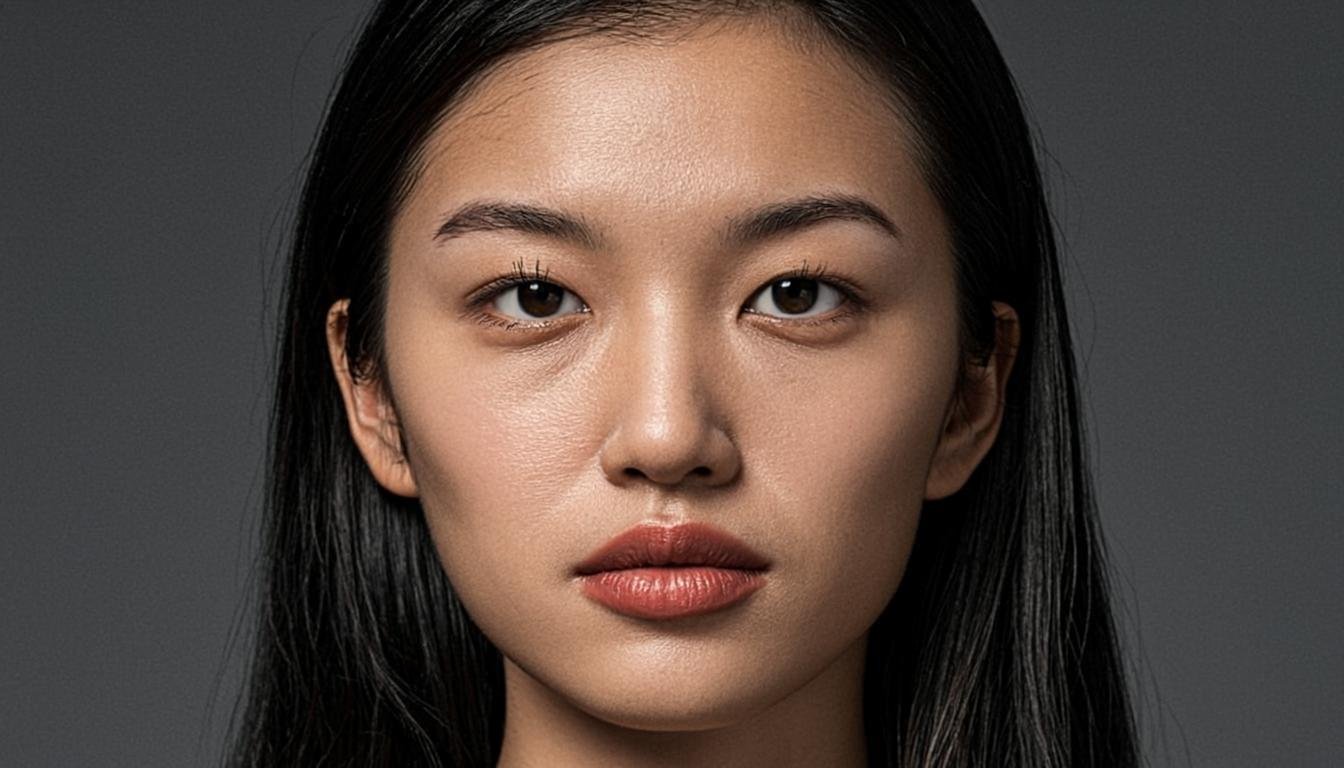
Natural poses go beyond just a smile or a stiff position. They capture the true essence of the model, their spontaneous expressions, and their personality. Unlike rigid and artificial poses, natural poses create a connection between the model and the viewer, making the portrait more memorable and emotionally resonant.
For photographers, mastering the art of natural posing allows for creating images that stand out in a saturated market. For models, understanding how to appear natural in front of the camera can open professional opportunities and improve self-confidence.
Preparation Before the Photoshoot
For Models
Preparation is key to a good natural pose. Before the shoot, models should:
- Get familiar with their own appearance from different angles
- Practice facial expressions in front of a mirror
- Wear clothes that flatter their silhouette and personality
- Get enough sleep and stay hydrated for a radiant appearance
- Discuss the concept and desired style with the photographer
For Photographers
Photographers should also prepare in advance:
- Choose a location suitable for the desired atmosphere
- Prepare necessary equipment (lighting, lenses, etc.)
- Review the model's previous work to understand their strengths
- Plan a few basic poses while leaving room for improvisation
Natural Posing Techniques for Models
Body Posture
Posture plays a crucial role in the natural appearance of a portrait. Instead of standing rigidly, models should:
- Place their body weight on one leg for a more dynamic silhouette
- Relax shoulders backward to avoid a hunched posture
- Let arms hang naturally or use them in a relaxed manner
- Avoid overly symmetrical positions that look artificial
Facial Expressions
Facial expressions are at the heart of natural portrait photography:
- Practice the "eye smile" (eyes light up even without smiling)
- Vary expressions: serious, dreamy, amused, etc.
- Think of a specific emotion or memory to trigger an authentic expression
- Avoid stiff poses by slightly moving the head or changing angles
Movements and Transitions
The best natural poses are often captured in motion:
- Walk slowly or turn in place
- Play with hair or clothing
- Laugh or express spontaneously
- Suggest the photographer capture transition moments between poses
Tips for Photographers
Creating a Comfortable Environment
A comfortable model will give more natural poses:
- Establish a rapport of trust before the shoot
- Play music to relax the atmosphere
- Give clear but encouraging directions
- Compliment the model on their successes
Spontaneous Capture Techniques
To capture the perfect candid moment:
- Use burst mode to capture spontaneous expressions
- Talk to the model to distract them and get natural reactions
- Change viewing angles regularly
- Ask the model to move slowly while you photograph
Lighting Use
Lighting can greatly influence the natural appearance of a portrait:
- Favor natural light when possible
- Use soft lighting to soften harsh shadows
- Experiment with side lighting to create depth
- Avoid overly frontal lighting that can create rigid poses
Emotion and Confidence Management
For Models
Confidence is essential for good natural poses:
- Accept your appearance and imperfections
- Focus on connecting with the camera rather than technique
- Breathe deeply to calm yourself
- Remember the photographer is there to highlight your qualities
For Photographers
Photographers must manage both their own stress and the model's:
- Stay calm and professional
- Constantly encourage and validate the model
- Take breaks if necessary
- Focus on the positive aspects of each take
Post-Processing for a Natural Look
Post-processing can enhance a portrait without making it artificial:
- Balance colors for a consistent look
- Soften skin slightly without making it plastic
- Accentuate eyes to create a focal point
- Maintain a balance between retouching and authenticity
For photographers looking to optimize their post-production workflow, tools like AllCombiner can be particularly useful for effectively combining multiple images and creating impactful compositions.
Common Mistakes to Avoid
For Models
- Focusing too much on perfection and appearing rigid
- Ignoring the photographer's directions
- Forcing expressions too much
- Forgetting to breathe and relax
For Photographers
- Giving too many complex instructions
- Not giving enough direction, leaving the model lost
- Being too critical during the shoot
- Neglecting the importance of lighting and context
Practical Cases: Shooting Scenarios
Outdoor Portrait
For an outdoor shoot:
- Use the environment as an element of the pose (sitting on a wall, leaning against a tree)
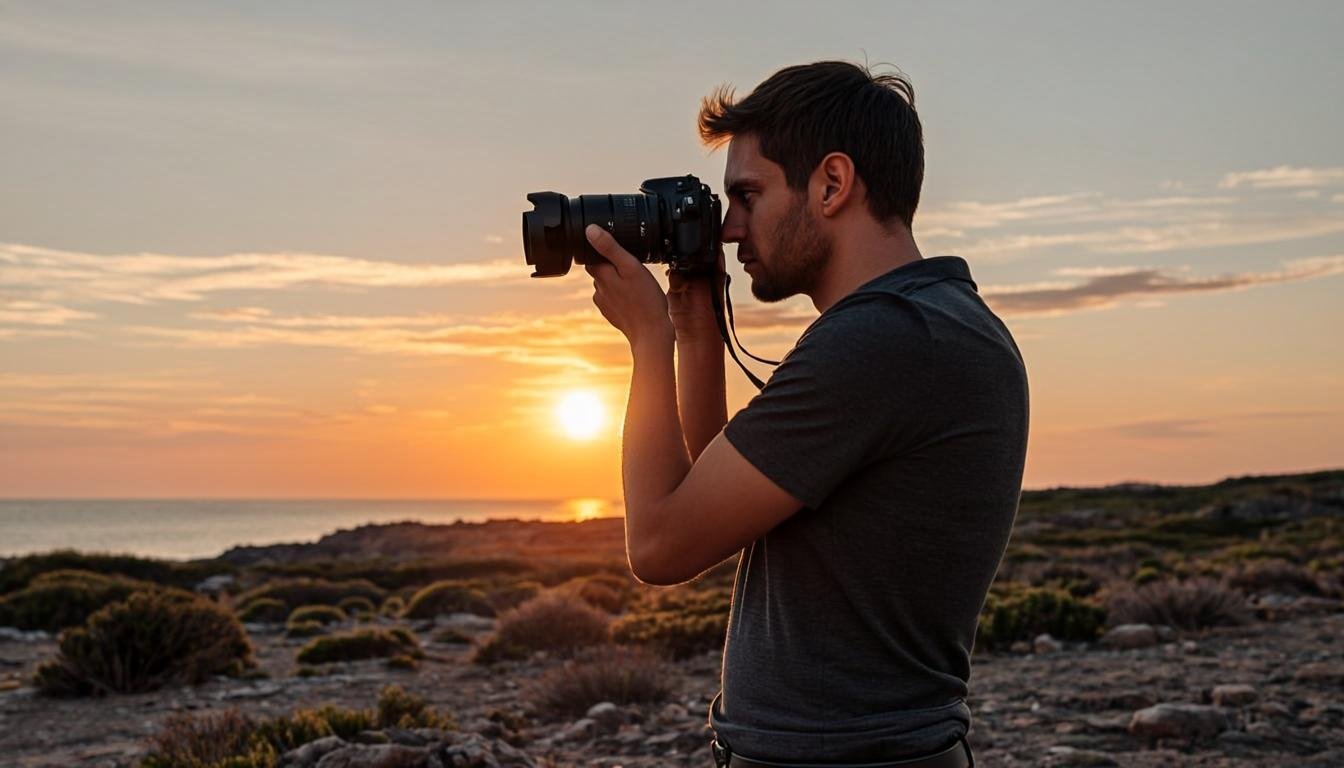
- Utilize natural light for soft shadows
- Capture interactions with the environment
- Encourage natural movements like walking or turning the head
Studio Portrait
In the studio, the approach should be different:
- Create a setting that inspires natural poses
- Use simple accessories to relax the model
- Experiment with different types of lighting
- Give directions based on emotions or scenarios
Evolution of Natural Posing in Contemporary Photography
With the evolution of photographic trends, natural posing has taken on new dimensions:
- The influence of social media has favored more spontaneous and authentic poses
- Street photography has influenced studio portraiture with more relaxed poses
- Models of diverse backgrounds and body types have redefined natural beauty
- The use of AI in selecting the most natural poses during photoshoots
For professional photographers, understanding these evolutions and adapting is crucial. Modern tools like those offered in Pricing can help optimize the process of selecting and retouching natural portraits.
Conclusion
Creating a natural portrait is an art that requires both technique and human connection. Whether you're a model or a photographer, the tips in this guide will help you develop skills for authentic and impactful poses. The key lies in preparation, communication, and confidence.
Remember that the best natural pose is often one that captures the unique essence of each individual. By practicing these techniques and staying attentive to the needs of your model or photographer, you'll be able to create portraits that tell a true story.
To further your portrait photography practice, explore the professional tools available on AllCombiner and discover how to optimize your workflow for exceptional results.
Related articles