Master Portrait Lighting: Rembrandt, Butterfly, and Chiaroscuro
Discover essential portrait lighting techniques: Rembrandt, Butterfly, and chiaroscuro. Enhance your photos with these professional methods.
Introduction
Lighting in portrait photography is a fundamental element that can transform a simple photograph into a captivating work of art. Whether you're a professional or amateur photographer, understanding different lighting techniques is essential for creating impactful and expressive portraits. Among the most famous and widely used techniques are Rembrandt lighting, butterfly lighting, and chiaroscuro. These approaches have stood the test of time and continue to inspire photographers today.
In this article, we'll explore in depth these three portrait lighting techniques, their distinctive characteristics, practical applications, and how to adapt them to different contexts. Whether you want to create classic, modern, or dramatic portraits, mastering these lighting techniques will give you the tools needed to express your creative vision.
The Rembrandt Lighting: Classic and Expressive Lighting
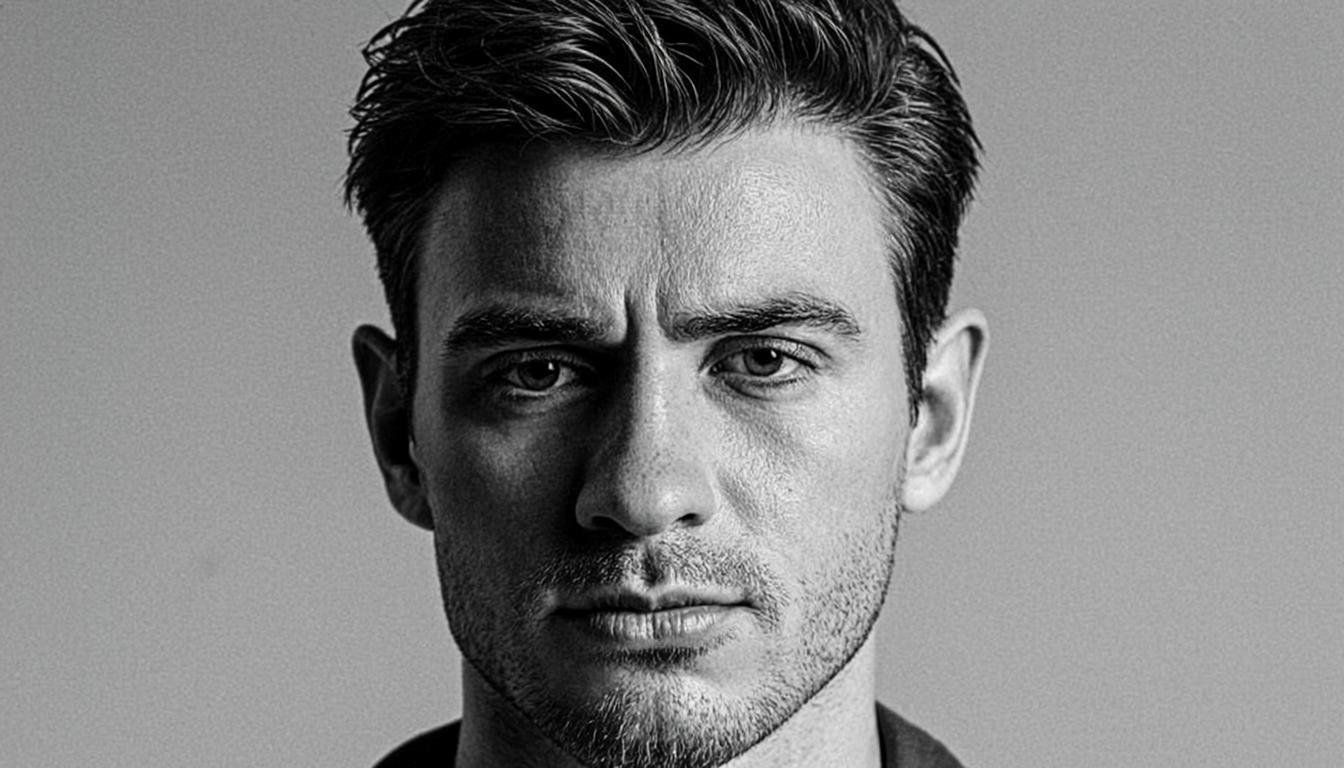
Rembrandt lighting, also known as triangle lighting, is one of the most recognizable and taught techniques in portrait photography. Its name comes from the famous Dutch Baroque painter Rembrandt Harmenszoon van Rijn, who frequently used this lighting in his portraits to create depth and dramatic effects.
Characteristics of Rembrandt Lighting
Rembrandt lighting is immediately recognizable by the triangle shape it creates on the cheek opposite the light source. Here are its main characteristics:
- A light source placed at 45° from the subject's axis and 45° above the horizontal
- A triangle of light visible on the cheek opposite the light source
- One side of the face well-lit, the other partially shadowed
- Soft shadows that define facial features without being too harsh
Practical Application of Rembrandt Lighting
To achieve Rembrandt lighting, you'll need at least one flash or main light source, and ideally a reflector to soften the shadows on the opposite side of the light. Here are the steps to follow:
- Position your subject facing a neutral background
- Place your main light source at 45° to the right or left of the subject
- Elevate the light source to about 45° above the horizontal
- Adjust the distance to achieve the desired light intensity
- Place a reflector on the opposite side of the light to slightly soften the shadows
Applications and Variations
Rembrandt lighting is extremely versatile and can be adapted to different portrait styles:
- Classic portraits: Ideal for traditional portraits with a timeless feel
- Male portraits: Highlights facial features and adds a dramatic dimension
- Black and white portraits: The defined shadows create striking contrast
An interesting variation is the "split Rembrandt," where the light source is placed directly to the side, creating two equally lit and shadowed halves of the face. This technique creates a more dramatic effect and can be very effective for bold portraits.
The Butterfly Lighting: Elegant and Flattering Lighting
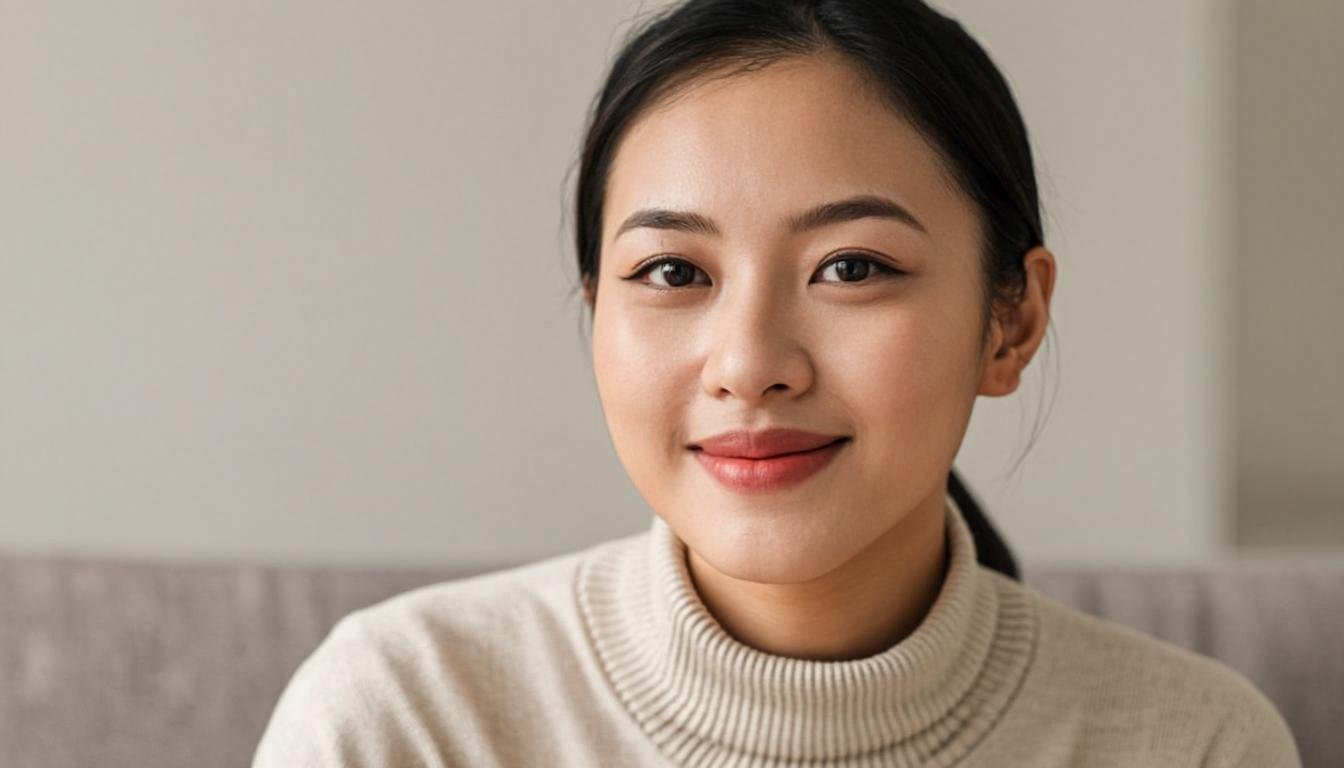
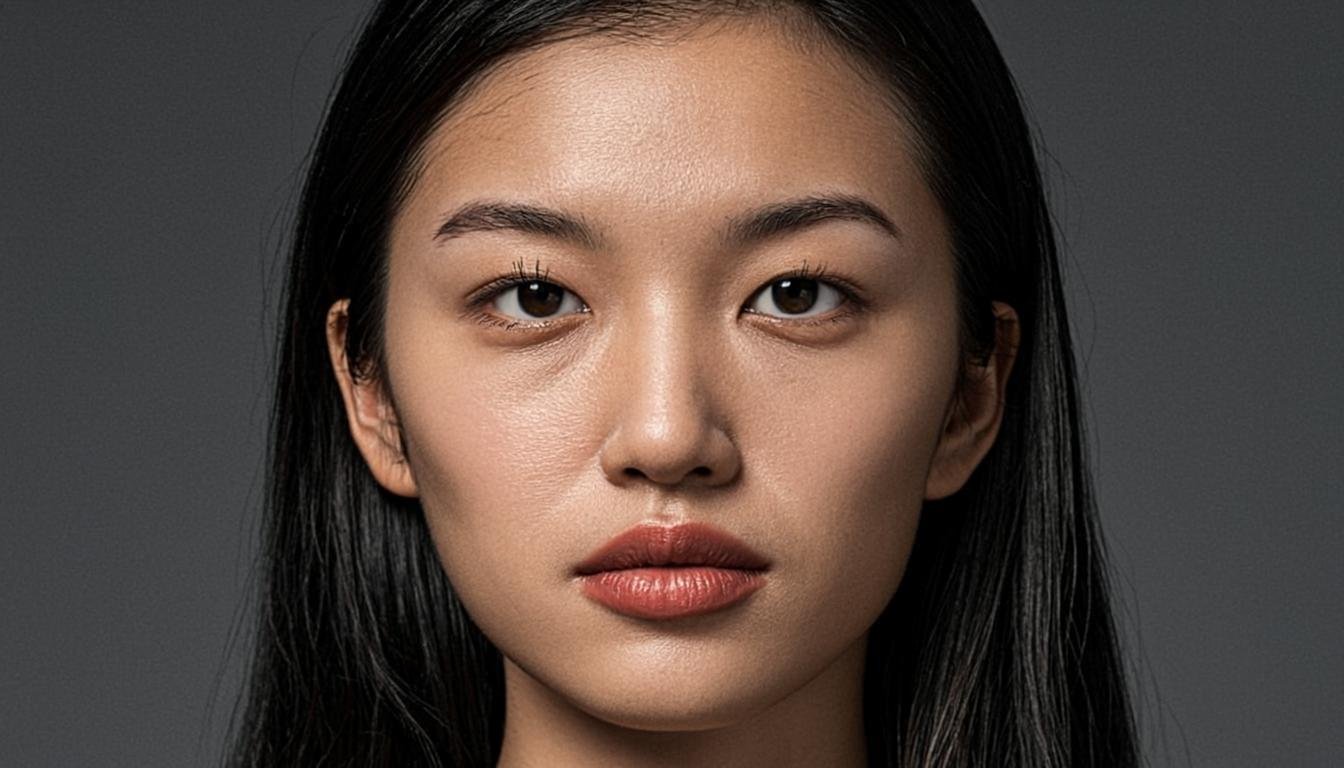
Butterfly lighting, also called butterfly or glamour lighting, is a technique favored for female portraits and fashion photography. Its name comes from the butterfly or butterfly wing shape that the shadow creates under the subject's nose.
Characteristics of Butterfly Lighting
Here are the distinctive elements of butterfly lighting:
- The light source is placed directly in front of the subject, slightly above
- A butterfly-shaped shadow appears under the nose
- The shadows under the nose and chin are soft and defined
- The eyes are well-lit with bright highlights
- Cast shadows are minimal on the rest of the face
Practical Application of Butterfly Lighting
To set up butterfly lighting, follow these steps:
- Position your subject facing a neutral background
- Place your main light source directly in front of the subject, on a tripod or stand
- Elevate the light source to about 1.20 to 1.50 meters from the ground (depending on the subject's height)
- Adjust the distance and power to achieve soft, flattering light
- Optionally, place a reflector under the subject's face to further soften the shadows
Applications and Variations
Butterfly lighting is particularly appreciated for:
- Female portraits: Highlights facial features in a soft, flattering way
- Fashion photography: Creates a glamorous, professional atmosphere
- Makeup: Lights the face evenly, highlighting the makeup artist's work
A common variation is "modified butterfly lighting," where the light source is moved slightly to the side (generally 15-30°). This creates a softer shadow on the opposite cheek, adding a bit of dimension while maintaining the elegance of butterfly lighting.
Chiaroscuro: The Art of Dramatic Contrast
Chiaroscuro is a lighting technique that plays on strong contrasts between light and dark areas. Although often associated with Baroque painting, chiaroscuro also holds an important place in photography, particularly in dramatic and artistic portraits.
Characteristics of Chiaroscuro
Chiaroscuro is distinguished by:
- Pronounced contrast between light and dark areas
- A single, often directional light source
- Hard, defined shadows
- A dramatic and expressive atmosphere
- Accentuated visual depth
Practical Application of Chiaroscuro
To create chiaroscuro lighting in portrait photography:
- Choose a dark background, ideally black or very dark
- Position your main light source at a more acute angle (60-90°) relative to the subject's axis
- Elevate the light significantly to create long, dramatic cast shadows
- Use a snoot or honeycomb to control diffusion and create harder shadows
- Minimize ambient light to enhance contrast
Applications and Variations
Chiaroscuro is particularly effective for:
- Artistic portraits: Creates a theatrical, expressive atmosphere
- Male portraits: Adds a dimension of strength and character
- Black and white photography: The enhanced contrasts create a powerful image
- Theater or cinema photography: Evokes intense emotions
An interesting variation is "low-key chiaroscuro," where you mainly use the main light with little or no fill light. This creates very dramatic images with nearly completely dark areas, highlighting only certain parts of the subject's face or body.
Comparison of the Three Techniques
Although these three lighting techniques are distinct, they share some fundamental characteristics. Here's a comparative table to better understand their differences:
| Technique | Light Position | Effect on Face | Typical Mood | Ideal Applications | |-----------|------------------------|---------------------|------------------|----------------------| | Rembrandt | 45° lateral, 45° above | Triangle on cheek, moderate contrast | Classic, dramatic | Male portraits, black and white | | Butterfly | Directly in front, elevated | Butterfly shadow under nose | Flattering, glamour | Female portraits, fashion | | Chiaroscuro | Accentuated lateral, elevated | Pronounced contrast, hard shadows | Dramatic, artistic | Expressive portraits, theater |
Tips for Adapting These Techniques
Here are some general tips for adapting these lighting techniques to different contexts:
- Modify the light distance: The closer the light source, the harder the shadows and the more pronounced the contrast.
- Use modifiers: Softboxes, umbrellas, or diffusers soften the light and create softer shadows.
- Experiment with height: A higher light creates longer cast shadows, while a lower light illuminates more of the face.
- Combine with other techniques: Add a fill light or a rim light to enrich your lighting setup.
- Adapt to the subject type: Light or dark skin react differently to light, adjust accordingly.
Conclusion
Mastering lighting techniques like Rembrandt, butterfly, and chiaroscuro is essential for any portrait photographer looking to create impactful and expressive images. Each technique offers unique possibilities to highlight your subject and create the desired atmosphere.
Rembrandt lighting with its characteristic triangle brings a classic and dramatic dimension, ideal for male portraits or black and white photography. Butterfly lighting, with its butterfly shadow, offers perfect elegance and softness for female portraits and fashion. Finally, chiaroscuro, with its strong contrasts, creates powerful and artistic images that capture attention.
Don't hesitate to experiment with these techniques, adapt them to your style, and combine them to create your own visual signature. Lighting photography is an art that constantly evolves, and your creativity is the only limit.
To further master your lighting and portrait post-processing, discover the professional tools available at AllCombiner and check our Pricing for solutions tailored to your needs.
Related articles