Portrait composition: mastering the rules of thirds, lines, and negative space
Discover how to optimize your portrait composition with the rule of thirds, the use of lines, and the impact of negative space for captivating photos.
Introduction
Composition in photography is an art that transforms a simple image into a captivating visual work. When it comes to portraits, mastering the elements of composition becomes even more crucial to highlight the person being photographed. In this article, we will explore three fundamental pillars of portrait composition: the rule of thirds, the use of lines, and the power of negative space. When combined thoughtfully, these techniques allow for the creation of balanced, dynamic, and aesthetically pleasing portraits.
The rule of thirds: the foundation of portrait composition
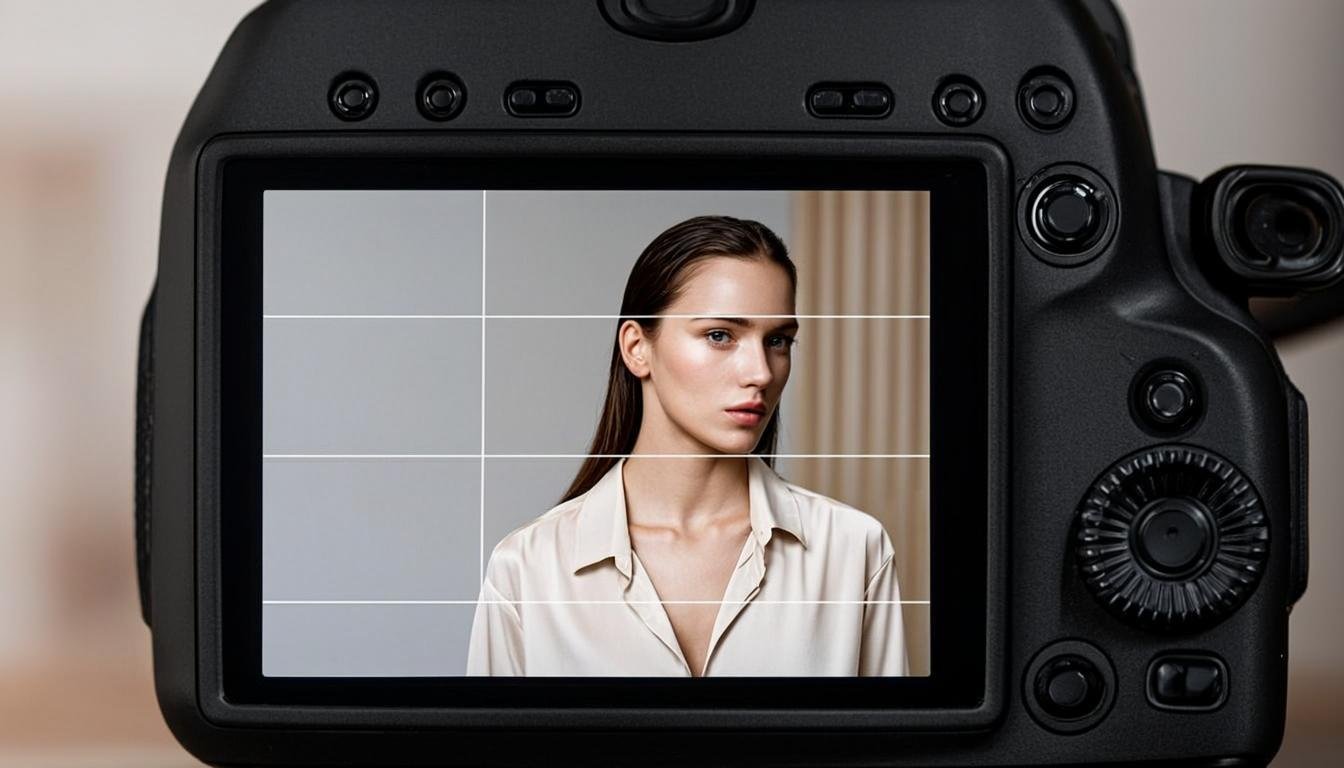
The rule of thirds is one of the first rules every photographer learns. This principle consists of dividing your frame into nine equal parts by drawing two horizontal lines and two vertical lines. The points of intersection of these lines are called "power points" and are considered the ideal locations to place the important elements of your composition.
Application in portraiture
In portraiture, the rule of thirds helps you position your subject's eyes, which are typically the main focal point. Placing the eyes on one of the power points creates a natural balance and immediately draws the viewer's gaze to the model's face. This technique works particularly well for bust portraits or close-ups.
Practical case
Imagine you are photographing a person in three-quarter view. Placing the eye closest to the lens on a power point creates a pleasant and natural visual effect. If you are photographing a full-length portrait, you can use the rule of thirds to position the subject's head or center of gravity at one of these intersection points.
Challenge and creative freedom
Although the rule of thirds is an excellent starting point, it's important to consider it as a guideline rather than a rigid rule. The greatest photographers know when and how to break this rule to create bolder and more expressive compositions. Experience and understanding of the underlying principles will allow you to make informed choices that serve your artistic vision.
The use of lines: guiding the eye in your composition
Lines are powerful elements in photographic composition. They can be horizontal, vertical, diagonal, or curved, and each of these orientations creates a different effect. In portraiture, lines can be used to guide the viewer's eye to the main subject or to create a sense of movement and dynamism.
Guidelines
Guidelines are natural or created elements that lead the viewer's eye to the main subject. In a portrait, these could be the neck, the arm, or even the model's gaze itself. For example, a model looking in a direction creates a natural line that draws attention in that direction.
Leading Lines
Diagonal lines are particularly effective for creating energy and dynamism in a portrait. They can be created by the body's position, the tilt of the head, or even the model's orientation relative to the lens. Diagonal lines create a sense of movement and action, making your composition more lively.
Curves and S-shaped Lines
Curves, especially S-shaped lines, add elegance and fluidity to your portraits. They can be created by the model's posture, the curves of the face, or even accessories like jewelry or clothing. These soft lines create a sense of grace and sophistication.
Avoiding Unwanted Lines
It is equally important to know how to identify lines that can distract or divert attention from your main subject. For example, a tree growing directly behind your model's head can create a visual distraction. By being aware of these elements, you can adjust your composition or position to minimize their impact.
The Negative: The Art of Empty Space
The negative, or empty space, is a concept often underestimated in photography. It refers to the empty areas in your composition that do not contain the main subject. Contrary to what one might think, these empty areas are just as important as the filled elements.
The Power of the Negative
The negative can create balance in your composition, draw attention to your main subject, or simply create a specific atmosphere. In a portrait, a minimalist background with lots of empty space can highlight the person being photographed and create a feeling of tranquility or elegance.
Asymmetrical Composition
The negative also allows for the creation of asymmetrical compositions, which can be more dynamic and interesting than a perfectly balanced frame. For example, placing your subject slightly to one side of the frame with lots of empty space on the opposite side creates a powerful and modern visual effect.
The Negative as a Narrative Element
Empty space can also be used to tell a story. A gaze turned toward a large empty space can suggest contemplation, solitude, or anticipation. By intentionally using the negative, you can add layers of meaning to your portraits.
Balancing Positive and Negative Space
The art of negative space lies in the balance between filled and empty areas. Too much negative space can make your composition appear empty and disconnected, while a lack of negative space can make the image feel cluttered and oppressive. The key is to find the perfect balance that serves your artistic vision.
Combining Techniques for Exceptional Portraits
The greatest photographers don't limit themselves to a single composition technique. They combine the rule of thirds, the use of lines, and the power of negative space to create complex and harmonious compositions. For example, you could place your model's eyes on a strong point of the rule of thirds, use a diagonal line to guide the eye to that point, and surround the subject with empty space to create a powerful contrast.
Practice and Experimentation
Mastering these techniques requires practice and experimentation. Take the time to photograph your subject using different combinations of these techniques. Observe how each element affects the overall impact of your image. Over time, you'll develop an instinct for composition that will allow you to create spontaneously balanced and aesthetically pleasing portraits.
The Importance of Post-Processing
Post-processing also plays a crucial role in the final composition of your portrait. Tools like AllCombiner can help you adjust the composition of your images after the shot. Whether it's for cropping, adjusting lines, or balancing positive and negative areas, these tools can refine your artistic vision.
Adapting to Your Personal Style
Every photographer has a unique style, and your composition choices will reflect that. Some prefer classic and balanced compositions, while others opt for bolder, more experimental approaches. The key is to understand the fundamental principles of composition so you can adapt them to your personal vision.
Conclusion
Mastering composition in portraiture is a continuous journey that combines technique, creativity, and intuition. The rule of thirds, the use of lines, and the power of negative space are powerful tools that can transform your portraits from simple images into captivating works of art. By practicing these techniques and adapting them to your personal style, you will develop a mastery of composition that will set your work apart.
To go further in your creative process, explore the tools available on AllCombiner that can help you perfect your compositions. If you want to discover how these tools can transform your photographic workflow, check out our Pricing to find the solution that matches your needs. Whether you are an amateur or professional photographer, investing in mastering portrait composition is a step toward more impactful and memorable images.
Related articles