Portrait Photography: Mastering Composition, Lighting, and Expression
Discover the essential basics of portrait photography: tips on composition, lighting, and expression for captivating portraits.
Introduction
Portrait photography is an art form that captures the essence of a person, revealing both their physical appearance and personality. Whether you're a beginner photographer or an enthusiast looking to perfect your technique, mastering the basics of portrait photography is essential. In this article, we'll explore three fundamental pillars: composition, lighting, and expression. These elements work together to create memorable portraits that tell a story and evoke emotions.
Portrait Composition: Structuring Your Image
Composition is the art of organizing elements within your frame to create a balanced and aesthetically pleasing image. In portrait photography, composition plays a crucial role in guiding the viewer's eye and highlighting your subject.
The Rule of Thirds
One of the most fundamental composition techniques is the rule of thirds. Imagine your frame divided into nine equal parts by two horizontal and two vertical lines. Placing your subject's eyes at the intersection of these lines creates a more dynamic image than simply centering them. This technique helps balance the image and naturally draws the eye to important elements.
Framing and Orientation
The choice between a portrait (vertical) or landscape (horizontal) format depends on your subject and the message you want to convey. Vertical formats are often ideal for portraits as they allow you to isolate the subject and capture the full body. Horizontal formats, on the other hand, are excellent for group portraits or for including environmental context.
Background and Depth of Field
A well-chosen background can transform an ordinary portrait into an exceptional image. Look for simple backgrounds that don't distract from your subject. Mastering depth of field, by controlling your lens aperture, allows you to determine what's in focus and what's blurred. A wide aperture (f/1.4, f/1.8) creates a background blur effect (bokeh) that beautifully isolates your subject.
Portrait Lighting: Sculpting with Light
Light is one of the most powerful tools in photography, and this is especially true for portraits. Understanding how to use light can completely transform the look and feel of your portraits.
Types of Lighting
-
Natural Light: Using sunlight is a simple and effective approach. Soft light on overcast days is ideal for flattering portraits, while direct sunlight creating harsh shadows can be used creatively.
-
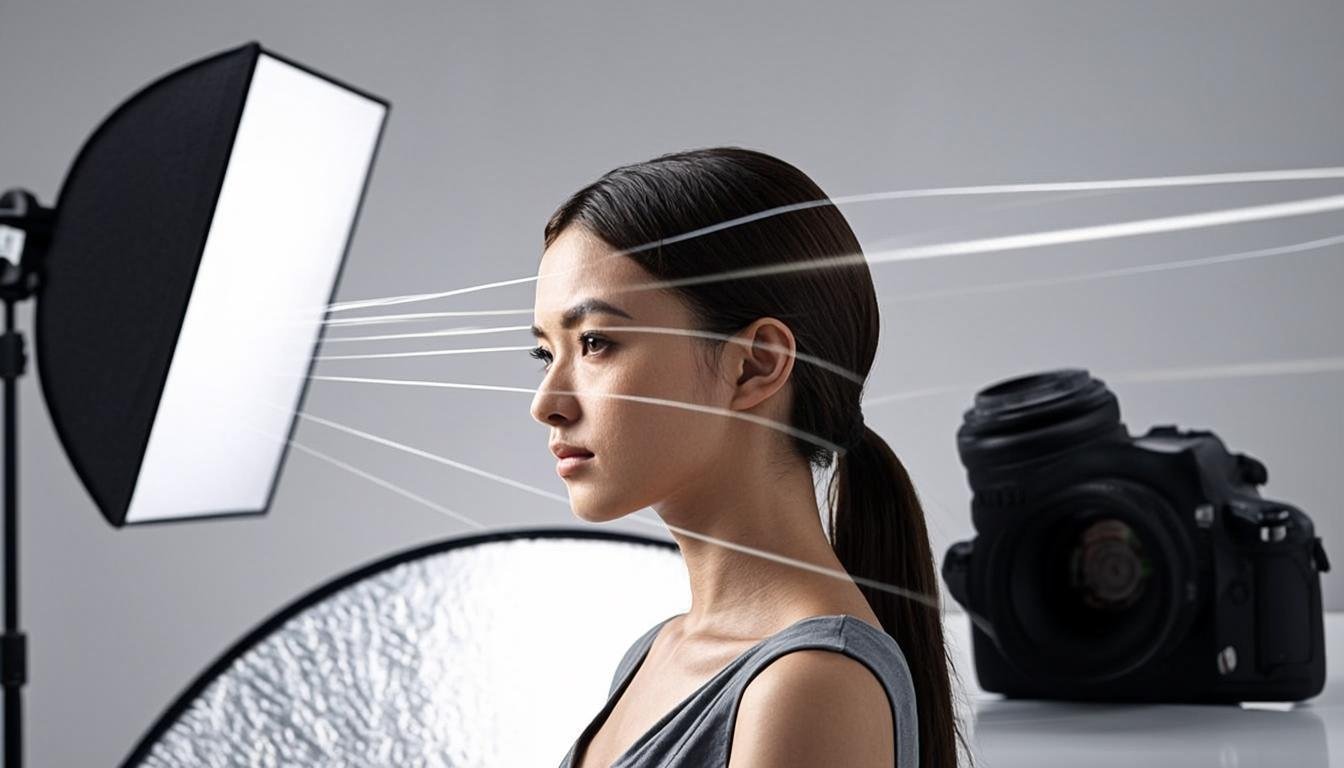
Artificial Light: Flashes and studios offer complete control over light. External flashes allow you to direct the light, while studios use multiple light sources to create complex effects.
-
Bounce Lighting: Bouncing light off a wall or reflector softens shadows and creates a more natural lighting effect.
Classic Lighting Patterns
Several lighting patterns are commonly used in portraiture:
- Flat Lighting: Diffused and even light, ideal for a rendering without harsh shadows.
- Loop Lighting: The main light source is positioned at 45 degrees to the subject, with a fill reflector on the opposite side.
- Butterfly Lighting: The light is positioned directly in front of the subject and slightly high, creating a distinctive shadow under the nose.
- Rembrandt Lighting: The light creates a triangle of shadow on the cheek opposite the light source, adding depth and dimension.
Working with Natural Light
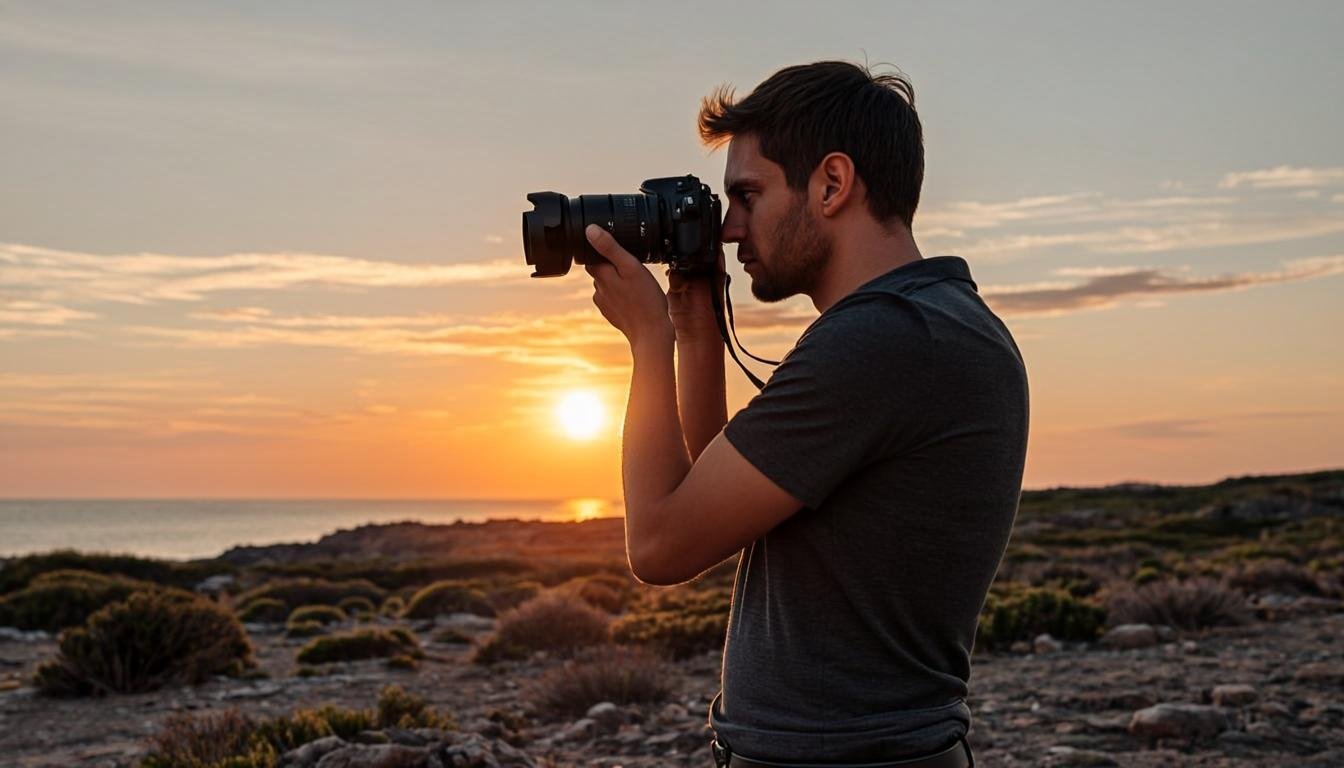
Natural light constantly changes throughout the day. The golden hour (right after sunrise or before sunset) offers soft, warm light perfect for portraits. At midday, the light is harsher and more vertical, requiring diffusion techniques to soften shadows.
Expression: Capturing the Soul of the Portrait
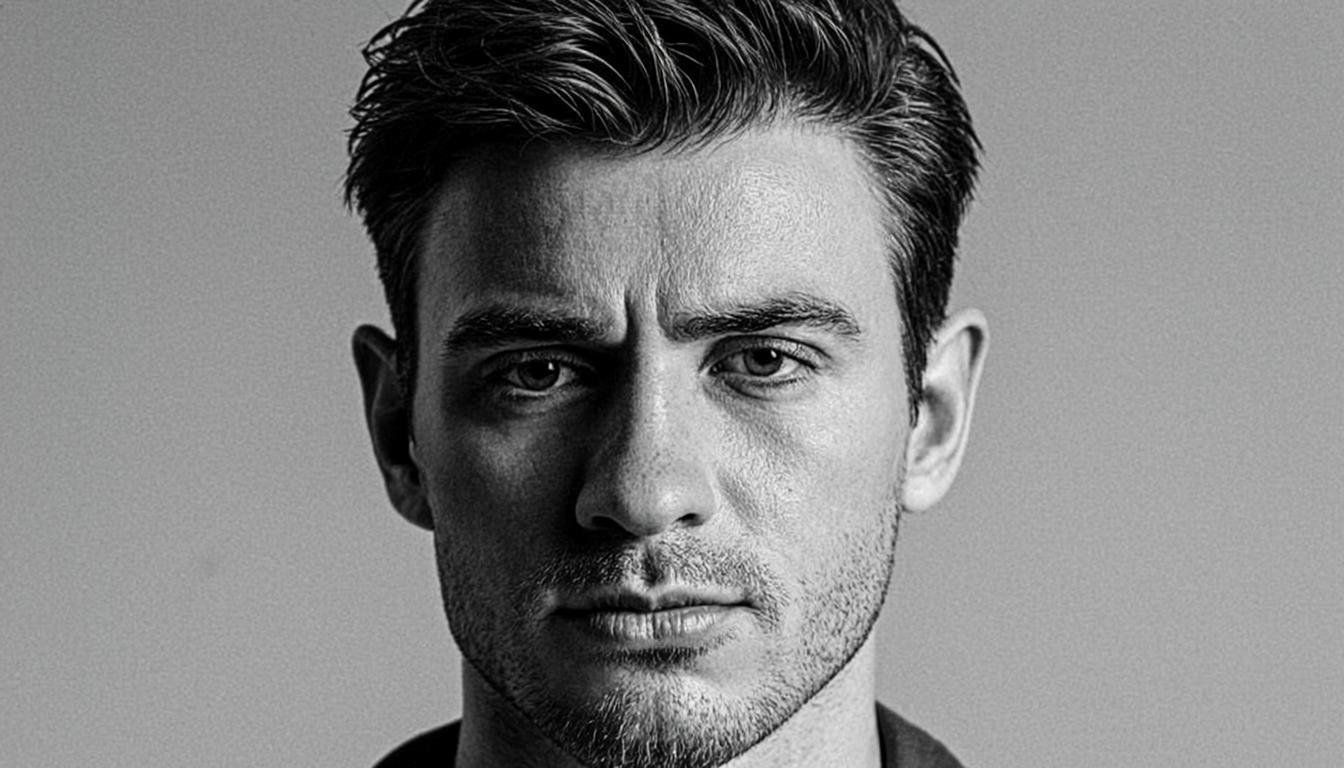
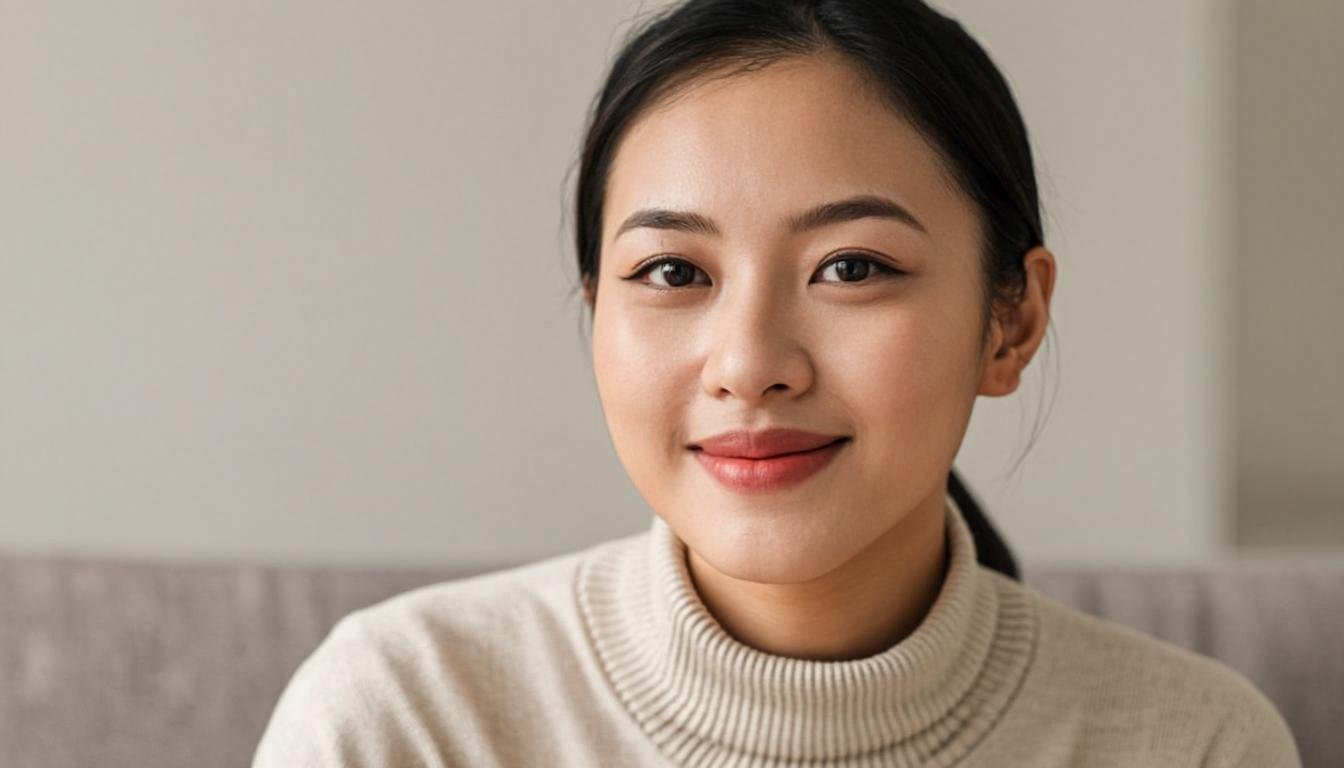
Beyond technique, a successful portrait captures the essence of the person. Expression, whether through gaze, facial expressions, or posture, is what brings an image to life.
Building Rapport
Creating a connection with your subject is essential for capturing authentic expressions. Take the time to talk with the person before you start photographing. Get to know their personality, passions, and what they want to convey through the portrait.
Capturing Spontaneous Moments
Rigid poses can often look artificial. Encourage your subject to move naturally, laugh, or engage in activities they enjoy. These spontaneous moments often reveal the most authentic personality.
Non-verbal Communication
Body language plays a crucial role in portrait expression. Head position, hand gestures, and overall posture can convey specific emotions and attitudes. Gently guide your subject to find positions that reinforce the message you want to convey.
Post-processing to Enhance Expression
Post-processing can help accentuate elements that contribute to expression. Slightly adjust lighting to draw attention to the eyes, or use color grading techniques to enhance the emotional atmosphere of the image. Tools like AllCombiner can help you combine multiple shots to create the perfect portrait.
Conclusion
Mastering the basics of portrait photography—composition, lighting, and expression—is a continuous journey that requires practice, observation, and creativity. By applying these fundamental principles, you'll be able to create portraits that are not only technically solid but also rich in emotion and meaning.
Remember that every subject is unique and requires a tailored approach. Experiment with different angles, light sources, and communication techniques to develop your own style. With patience and practice, you'll capture portraits that tell memorable stories.
Ready to perfect your portrait photography skills? Discover our tools and training at AllCombiner and check out our Pricing to access premium resources that will help take your photographic art to the next level.
Related articles